Home
China Tours
Chengdu
Chengdu is where Sichuan’s laid-back rhythm meets some of China’s most memorable experiences—giant pandas, bold local flavors, and a city that actually invites you to slow down. Use it as a comfortable base: spend a day with pandas and teahouses, then branch out to UNESCO sites like the Leshan Giant Buddha, the Dujiangyan Irrigation System, and Mt. Qingcheng. The sweet spot is a private, well-paced plan—early starts for headline sights, then long, unhurried evenings for hotpot, street snacks, and riverside walks.
Chengdu Should Stay Flexible
TOCNTRAVEL
Choose a focused Chengdu stay or extend deeper into Sichuan, from pandas and local life to Leshan, Dujiangyan, Mt. Qingcheng, Jiuzhaigou, and Huanglong.
Chengdu is the capital of Sichuan Province and one of China’s easiest big cities to enjoy at a relaxed pace. It’s famous for giant pandas and Sichuan cuisine, but it’s also a practical hub—well connected by flights and high-speed rail, with excellent day trips in every direction. Stay central to keep sightseeing efficient, then mix iconic stops with local life: teahouses, parks, alleyway neighborhoods, and evening food streets. Weather is often mild but can be humid, so timing and a well-planned daily rhythm make a noticeable difference.
Cinematic Chengdu highlights video—get inspired for your exclusive China private travel itinerary.
No visit to Chengdu is complete without seeing the giant pandas. Arrive in the early morning for the best chance to spot them active, then explore the nearby parks and neighborhoods at a leisurely pace for a delightful day.
A peaceful museum garden dedicated to Du Fu, one of China’s most celebrated poets. It’s an easy cultural stop that balances busy sightseeing days with slower, more reflective time.
This is where Chengdu’s slow rhythm makes sense: tea, mahjong, strolls, and everyday local life. It’s ideal for a mid-day break and a simple way to experience Chengdu beyond “tourist spots.”
Kuanzhai Alley (Wide & Narrow Alleys) is one of the best places for a first walk-through of old Chengdu. Come for the architecture, browse shops, and sample street snacks at a relaxed pace.
A key Chengdu landmark tied to the Three Kingdoms era. The courtyards, statues, and inscriptions give real historical context, especially if you want more depth than “just taking photos.”
Right next to Wuhou Shrine, Jinli is best in the evening. It’s a classic spot for Sichuan snacks, lantern-lit lanes, and a lively atmosphere without needing long travel time.
A well-located museum that works for first-time visitors who want an efficient overview. Combine it with Tianfu Square and nearby walking routes to keep your day compact and easy.
A solid choice if you want to understand Sichuan beyond food and pandas. Expect a mix of regional history, art, and artifacts—an indoor option that also works well on rainy days.
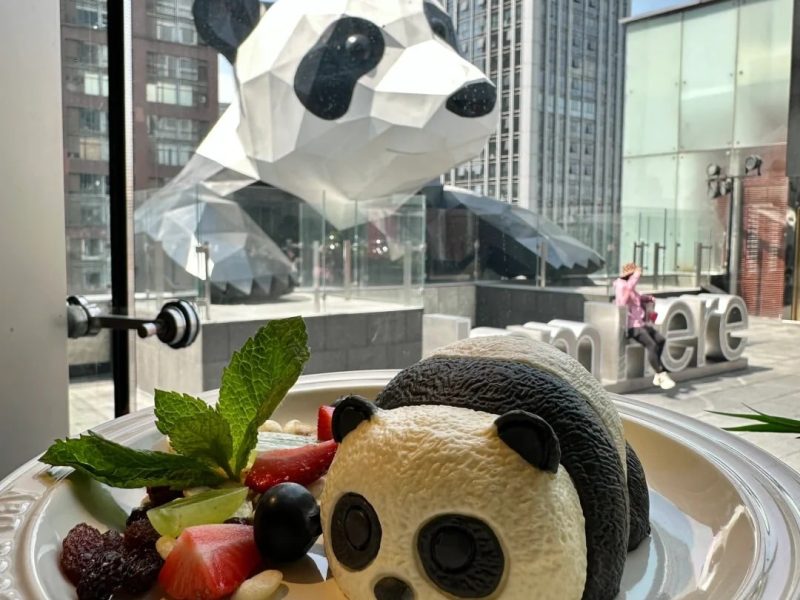
For a modern-city contrast, head to Taikoo Li and the IFS area. It’s one of Chengdu’s best places for shopping, cafés, and the famous rooftop panda—easy to pair with a food-focused evening.
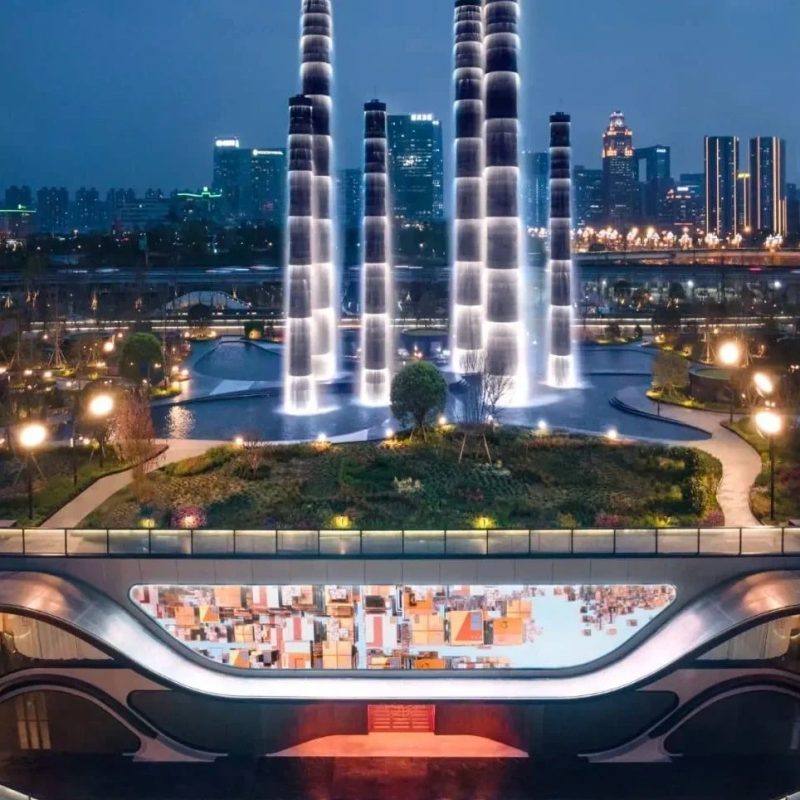
A simple, high-reward evening walk. The riverside lighting and skyline reflections make this one of the most photogenic “after-dinner” experiences in Chengdu.
If you want a classic Chengdu night, this is it. Face-changing, music, and fast-paced stage craft make for an easy evening plan—especially good for families and first-time visitors.
One of the most important archaeological museums in southwest China. If you want “ancient Chengdu” beyond temples and streets, Jinsha delivers a strong, memorable story of the Shu kingdom.
One of Chengdu’s biggest strengths is how easy it is to reach Sichuan’s most famous landmarks without changing hotels. These day trips cover UNESCO sites, Taoist mountains, and major cultural highlights—ideal with a private car and a well-timed start.
A must-see UNESCO World Heritage site and one of China’s most impressive statues. From Chengdu, it’s a straightforward full-day trip, often combined with a relaxed river view and local lunch.
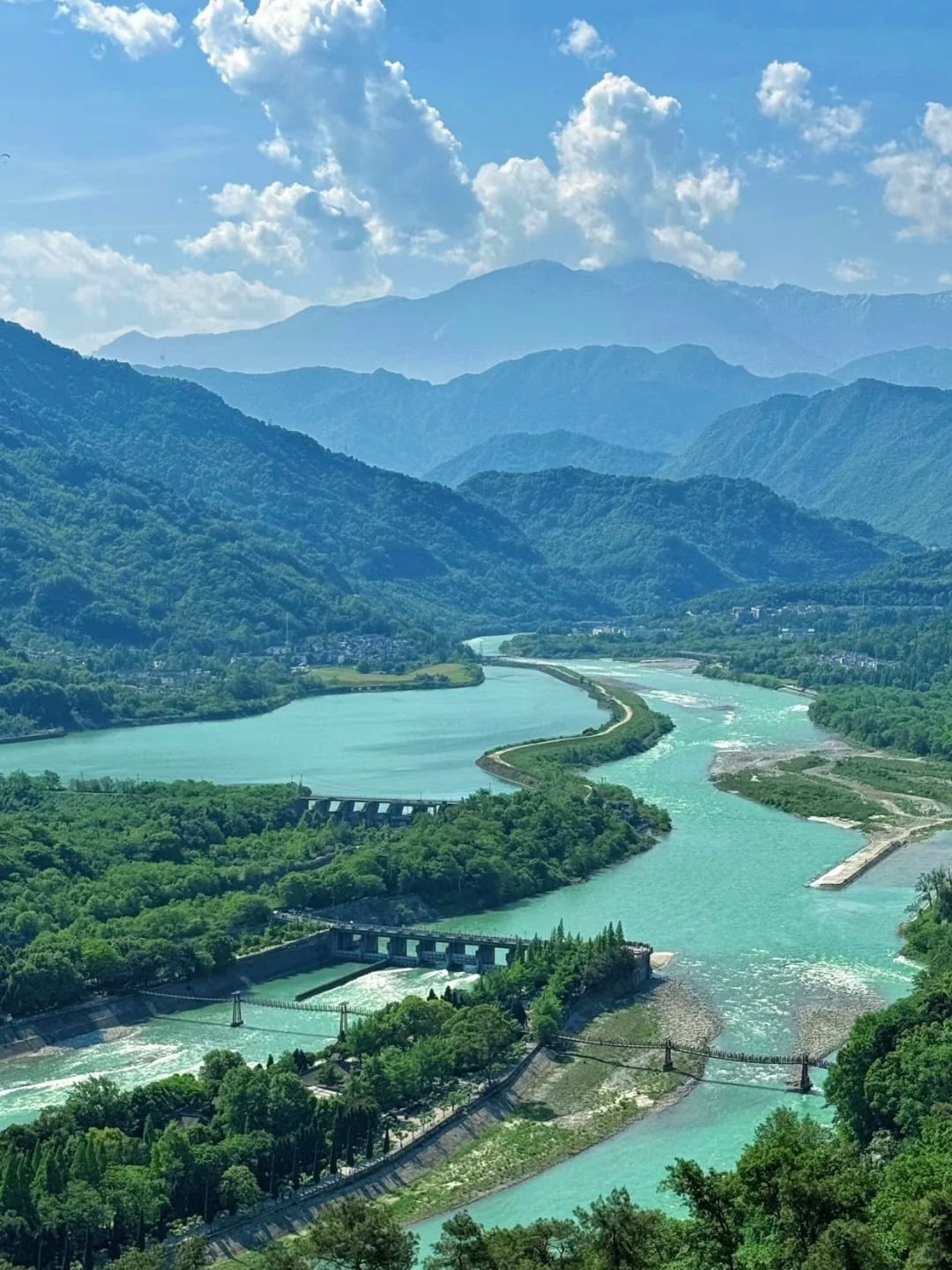
A UNESCO World Heritage site famous for water-control engineering that shaped the region for centuries. It’s a great day trip if you want history that’s practical, not just “museum history.”
Often paired with Dujiangyan, Mt. Qingcheng is known for Taoist culture and forested mountain scenery. Choose the front mountain for classic temples, or go quieter if you prefer nature walks.
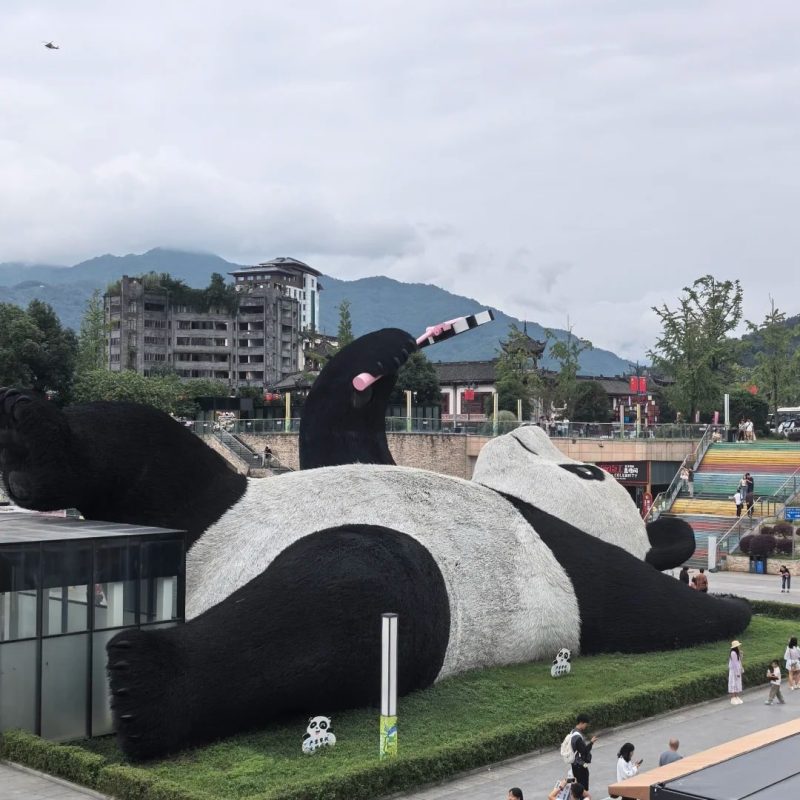
If you want a panda experience with a different vibe than the main Chengdu Panda Base, Panda Valley can feel calmer. It’s a good add-on when you’re already in the Dujiangyan area.
A standout museum for Bronze Age discoveries that feel genuinely unexpected. It’s one of the best day trips for travelers who want something unique and “not the same China itinerary everyone does.”
Mount Emei is famous for temple culture and mountain views. It can be rushed as a long day, but it’s best as an overnight add-on if you want a smoother pace and better viewing time.
An easy, low-effort day trip for old-town atmosphere close to Chengdu. It’s good for strolling, snacks, and a slower half-day when you don’t want a big, logistics-heavy excursion.
.
A convenient nearby town that works well when you want something simple. Pair it with light nature, local food, and an unhurried return to Chengdu for dinner.
An easy, low-effort day trip for old-town atmosphere close to Chengdu. It’s good for sipping tea at century-old teahouses, watching local life unfold, and a slower half-day when you don’t want a big, logistics-heavy excursion.
South Chengdu shows the city’s newest face—sleek skylines, wide boulevards, big parks, and high-end shopping around the High-Tech Zone and Financial City. It’s the best area to balance “old Chengdu” experiences with a modern, cosmopolitan night.
A modern landmark often best appreciated after dark, when the lighting makes the skyline feel dramatic. It’s a quick “wow” stop that fits well before dinner.
A clean, spacious city park that makes south Chengdu feel open and modern. Great for families, casual walks, and a breather between shopping, museums, or a night skyline plan.
A huge indoor complex that can be useful in hot or rainy weather. It’s a practical stop if your travelers want comfort, convenience, and a “modern China” feel in one place.
If your clients care about luxury brands and high-end experiences, SKP is a straightforward add-on in south Chengdu. It pairs naturally with a Financial City evening route.
A calm lakeside area that works well for a light, post-dinner walk. It’s a good option when you want “modern Chengdu” without turning it into a heavy sightseeing day.
Spring and autumn are the sweet spot for Chengdu—mild weather, comfortable sightseeing, and the most reliable conditions for pandas and day trips. Summer is warm, humid, and rainier, so a private plan matters: go early, keep afternoons flexible, and balance outdoor stops with museums and teahouses. Winter is cooler and often grey, but crowds are lighter and the city feels wonderfully unhurried—perfect for food-first travelers and easy excursions to Leshan or Dujiangyan & Mt. Qingcheng.
Pandas are usually more active in the morning, especially before the day gets warm. For a smoother visit, plan the Panda Base as the first stop of the day, then arrange city sightseeing or a relaxed lunch afterward. Weekends and Chinese public holidays are best avoided when possible.
Sichuan food is not just “spicy” — it often has a numbing heat from Sichuan peppercorns. If you are sensitive, start with mild dishes and ask for less chili before trying hot pot or mapo tofu. A split hot pot broth is usually the safest choice for first-time visitors.
Chengdu is easier to enjoy when the schedule is not packed too tightly. After major sights, leave some room for tea houses, parks, local food streets, or a slower walk through the city. This helps the trip feel more like Chengdu, instead of another rushed sightseeing day.
Chengdu can feel humid, especially in summer, and light rain is common. Pack breathable clothing, comfortable shoes, and a small umbrella or light rain jacket. In winter, the weather is usually not extremely cold, but the damp air can still feel chilly.
Leshan, Dujiangyan, and Mt. Qingcheng are all possible from Chengdu, but they should not be added casually. These places need early starts, clear routing, and enough time on site. A well-planned day trip feels comfortable; a poorly planned one can become mostly traffic and waiting.
Chengdu is not only a city stop — it is also a practical base for wider Sichuan journeys. Depending on your interests and travel dates, it can connect naturally with Leshan, Dujiangyan, Mt. Qingcheng, Jiuzhaigou, Huanglong, or other scenic areas in western Sichuan.
A flexible Chengdu journey shaped around your interests and rhythm.
Go beyond the obvious, from teahouses and food lanes to temples and local neighborhoods.
Plan key visits at better times for a smoother experience.
Chengdu pairs naturally with pandas, Leshan, Mount Qingcheng, and beyond.
Chengdu is the natural gateway to Southwest China and one of the easiest places to add to a multi-city itinerary. It pairs beautifully with classic highlights—Beijing and Xi’an for history, Shanghai for modern China—and it also connects smoothly to nature-focused routes like Zhangjiajie and Guilin. Use Chengdu as a comfortable base for pandas and Sichuan cuisine, then branch out on day trips to Leshan, Dujiangyan, and Mt. Qingcheng, or extend deeper into Sichuan with Jiuzhaigou and Huanglong when time allows. This map shows how Chengdu links to China’s major travel hubs, helping you plan flight and high-speed rail connections efficiently.
It’s strongly recommended. Panda sites can limit entry and popular time slots sell out, especially on weekends and holidays. Booking ahead also helps you plan the best viewing window in the morning.
Go early. Mornings are usually the best time to see pandas active and feeding, while late afternoons can be quieter but less lively depending on weather and season.
Use ride-hailing with in-app maps, and keep key addresses saved in Chinese (hotel name, main sights). A private driver for day trips can eliminate the biggest pain points: queues, transfers, and timing.
They’re doable, but a tour/private car often saves hours. The main challenges are transfers, queues, and tight timing. If your schedule is limited, private routing is usually the most efficient approach.
Sichuan cuisine is often “málà” (spicy + numbing). Ask for mild or non-spicy options and start with small bites. There are also plenty of great non-spicy Sichuan dishes—don’t skip the food scene just because you’re cautious.
Not widely. Major hotels may have English-speaking staff, but restaurants and taxi drivers often don’t. The practical fix is simple: translation apps, saved Chinese addresses, and a guide for key days.
Not always. Many places prefer mobile payments. International travelers should set up a working payment method before arrival and keep a small amount of cash for simple purchases.
Some Google services may not work reliably without additional setup. Many travelers use local map apps and keep offline information (hotel address, tickets, confirmations) saved on their phone.
Aim for one major highlight per half-day. Chengdu rewards a slower rhythm—pandas in the morning, then a flexible city afternoon, and an easy night plan like Jinli, riverside walks, or a face-changing show.
Stay central for easy logistics—especially if you want walkable food streets, short transfers, and quick access to major sights. If you prefer a modern vibe, south Chengdu/Financial City works well but expect longer rides to older neighborhoods.
Begin with Chengdu’s pandas and relaxed city life, then connect easily to Xi’an, Shanghai, Guilin, or Zhangjiajie. We’ll map the smartest routing and handle the details end to end.
Claire
Senior Travel Advisor
Hi, I’m Claire. Planning a private trip to China? Share your travel dates and ideas, and I’ll help you get started.