Home
China Tours
Guizhou brings together some of China’s most dramatic karst landscapes, major waterfalls, mountain scenery, and richest living ethnic traditions in one remarkably varied region. From Huangguoshu Waterfall and Fanjingshan to Miao and Dong village areas, terrace landscapes, and mountain roads that reward slower travel, it is a destination best explored privately and at a comfortable pace.
Guizhou Is About Route Judgment
TOCNTRAVEL
Most travelers spend 5–7 days in Guizhou. Add 1–2 extra days if you want a slower pace or want to include places like Fanjing Mountain or Zhenyuan.
Guizhou is one of the most underrated travel destinations in China. It is home to four UNESCO World Heritage natural sites or components, is widely known as a “Mountain Park Province,” and stands out as one of China’s most concentrated and visually dramatic karst regions. Fanjingshan, Libo, Chishui, and Shibing, together with natural landmarks such as Huangguoshu Waterfall, Wanfenglin, Maling River Canyon, and Zhijin Cave, give Guizhou a landscape identity that is both distinctive and unforgettable.
What makes Guizhou even more special is that its appeal goes far beyond scenery alone. It is also one of China’s most remarkable bridge-building regions and is often described as a “world bridge museum.” According to official and media sources, nearly half of the world’s top 100 highest bridges are located in Guizhou. Engineering landmarks such as the Beipanjiang Bridge, Balinghe Bridge, and Pingtang Bridge do more than connect mountains and valleys—they also offer a striking way to understand the scale of Guizhou’s terrain and the ambition of modern China’s engineering.
Unlike fast-paced city destinations or standard sightseeing routes focused only on scenery, the real appeal of Guizhou lies in the depth that reveals itself when you slow down. You can move between world-class natural landscapes, walk through ethnic villages that still feel lived-in rather than staged, experience living traditions such as batik, silverwork, and Dong Grand Song, and enjoy local food defined by bold layers of sour, spicy, fresh, and aromatic flavors. For travelers planning a private journey in China, Guizhou is not a place to squeeze in on the side—it is a destination worth setting aside real time to explore properly.
Guizhou brings together a level of natural variety that is hard to match in one region. Rather than relying on a single famous sight, it offers a broader landscape experience—major waterfalls, cone-shaped karst peaks, canyons, caves, forested mountains, and scenic drives that constantly change in character. For travelers who care about visual impact, Guizhou delivers far more depth than a standard one-stop nature destination.
What makes Guizhou stand out culturally is not just ethnic diversity on paper, but the fact that village life, architecture, handicrafts, music, and local traditions still feel woven into everyday life. Instead of only watching staged performances, travelers here can experience places where culture is still lived, practiced, and seen in the rhythm of ordinary communities.
Guizhou works especially well as a private journey because the real experience lies between the major highlights as much as at them. Scenic roads, mountain bridges, village detours, quieter stops, and a more relaxed travel rhythm give the province unusual flexibility. It suits travelers who want space, contrast, and a route shaped around comfort rather than speed.
Explore Guizhou’s World-Class Natural Heritage

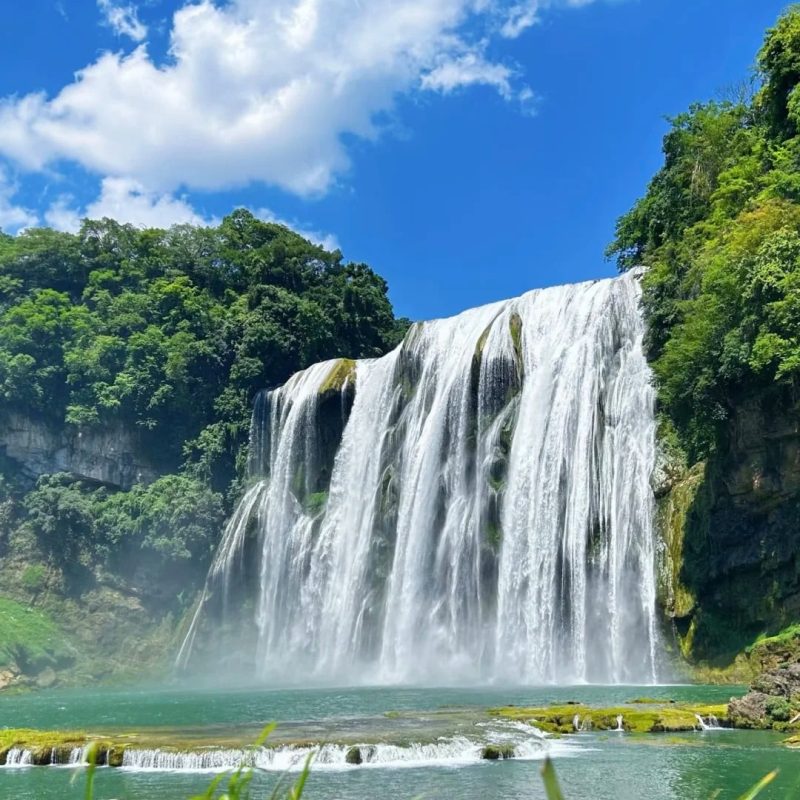
Explore Guizhou’s most iconic waterfall area, from the Water-Curtain Cave behind the main falls to the Silver Chain Dropping Pool Waterfall at Tianxing Bridge and the broad cascade of Doupotang. For a fuller experience, combine it with a visit to a nearby Buyi village and see how local life and landscape come together.
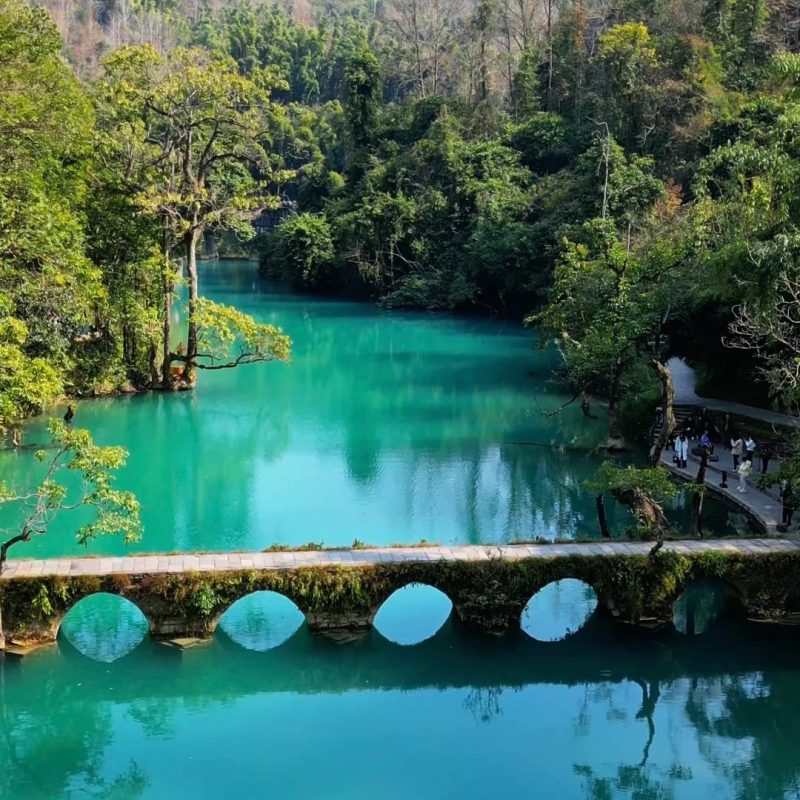
Explore one of Guizhou’s most distinctive natural highlights, where turquoise water, forested karst scenery, and quieter walking routes come together in a remarkably peaceful setting. A visit to Libo usually includes the historic Xiaoqikong Bridge, scenic trails past waterfalls and clear pools, and time around spots such as Wolong Pool and Cuigu Waterfall.
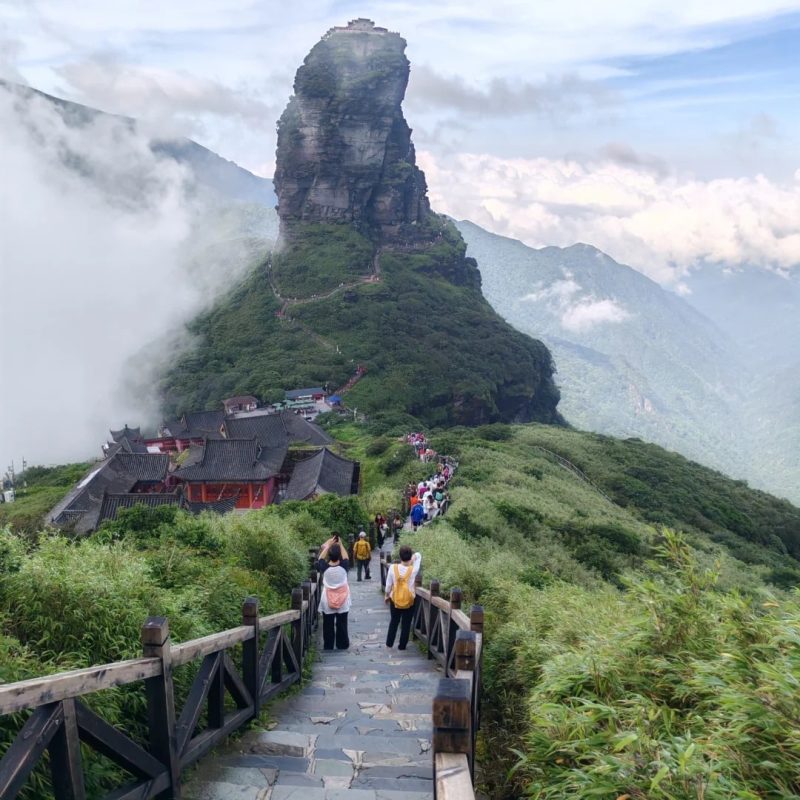
Fanjingshan is one of Guizhou’s most iconic natural landmarks, known for its dramatic summit formations, protected subtropical forest, and strong Buddhist heritage. A visit usually centers on the Red Clouds Golden Summit, the famous Mushroom Stone, and mountain trails that pass through some of the best-preserved forest ecosystems in this part of China.
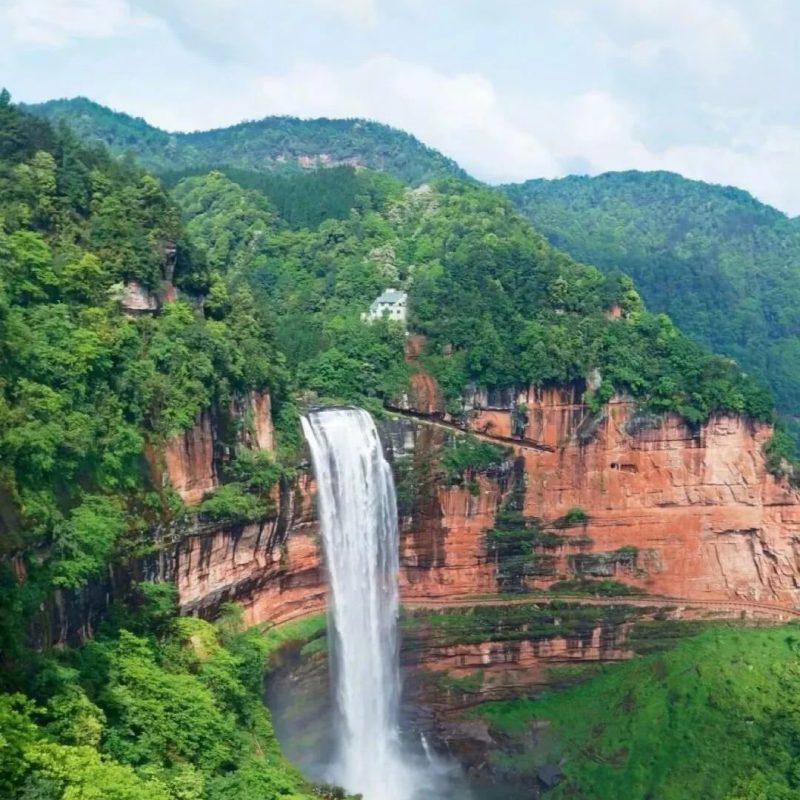
Chishui offers one of Guizhou’s most distinctive landscape experiences, where red Danxia cliffs, waterfalls, bamboo forests, and quieter scenic roads come together in a part of the province that feels very different from its better-known karst regions. Highlights often include the Shizhangdong Waterfall, the waterfall trails of Sidonggou, and the wider Chishui valley, where cycling routes and slower drives reveal a more relaxed side of southwest China.
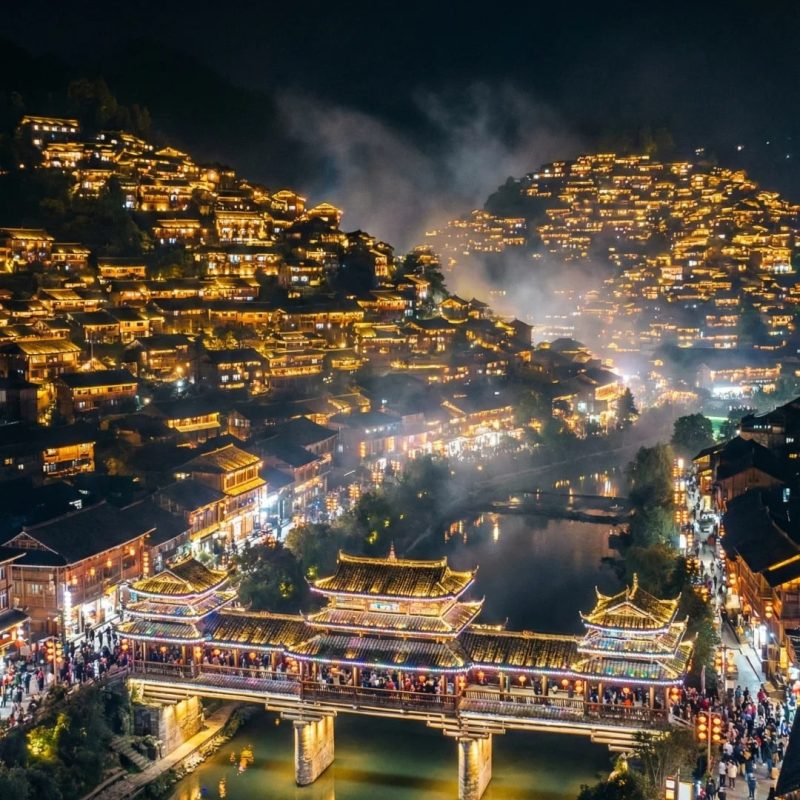
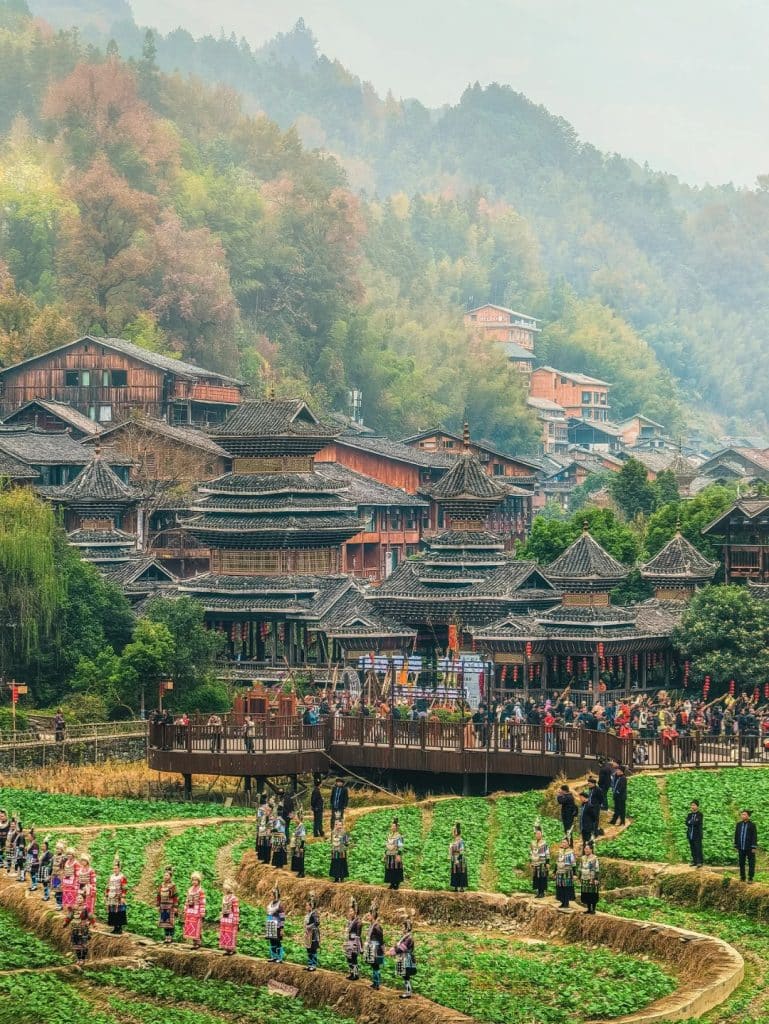
Experience one of the most distinctive cultural sides of Guizhou through its Miao and Dong village regions. In Xijiang, known as the largest Miao village settlement in China, the experience may include hillside wooden guesthouses, long-table meals, local toasting traditions, and evening views over the village lights. In Zhaoxing, one of the best-known Dong villages, travelers can explore historic drum towers, hear Dong Grand Song, and walk quieter village routes and rice terrace paths that reveal a more rooted and less commercial side of rural southwest China.
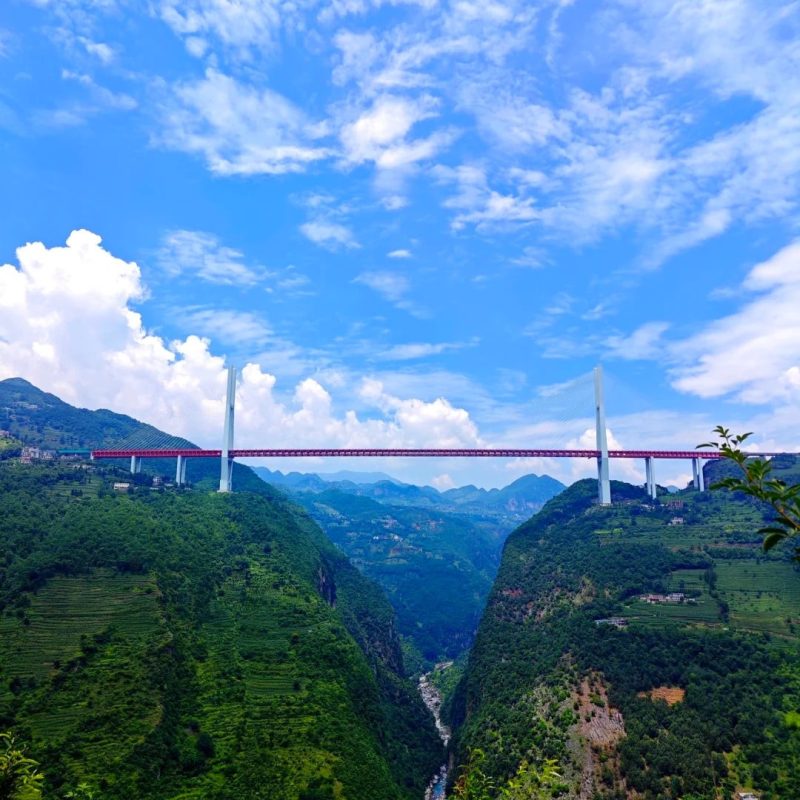
Few places in China combine mountain scenery and modern engineering as dramatically as Guizhou. Bridge-view experiences here can include the Beipanjiang First Bridge, famous for its extraordinary height above the canyon floor; the Pingtang Bridge, often called the “Bridge in the Sky,” with dedicated viewpoints and bridge-view accommodation; and the Balinghe Bridge, one of the rare major bridges in China where visitors can go inside the structure itself. Together, they offer a striking way to experience Guizhou’s deep gorges, vast mountain terrain, and world-class bridge engineering from above.
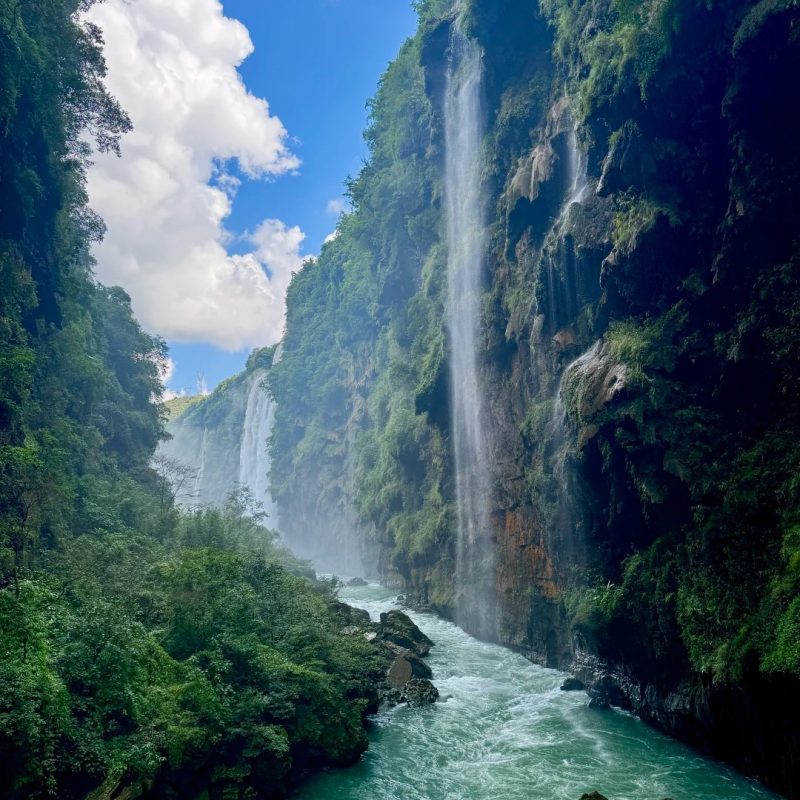
Explore another dramatic side of Guizhou through deep river canyons and vast underground cave systems. In Maling River Canyon, travelers can follow cliffside walkways past waterfalls and steep rock walls, with rafting available in season for a more active way to experience the gorge. Zhijin Cave offers a completely different landscape underground, with enormous chambers, dense limestone formations, and one of the most impressive cave environments in China.
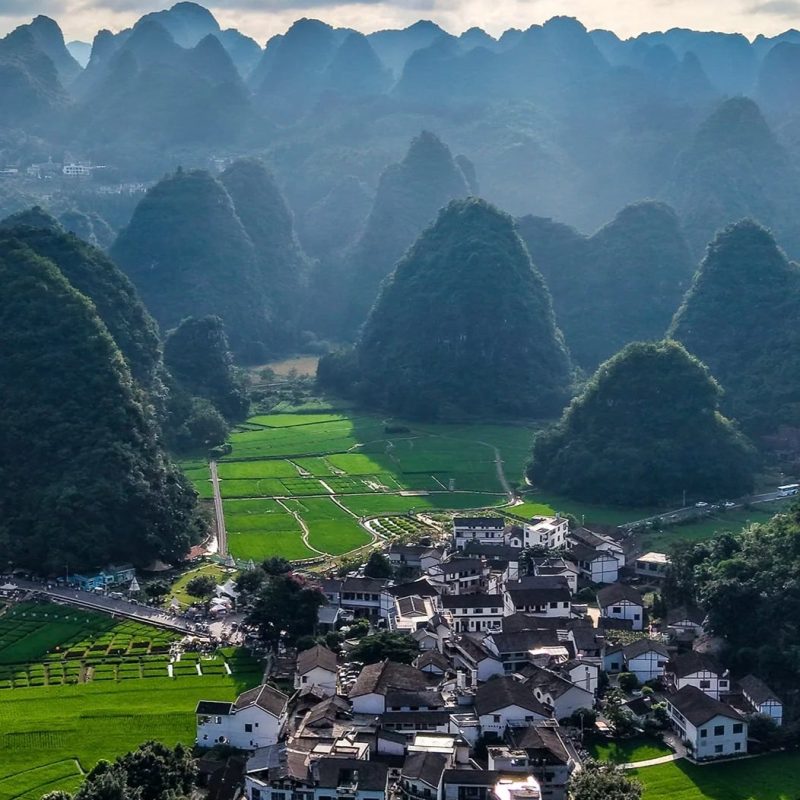
Wanfenglin offers one of Guizhou’s most relaxing landscape experiences, where karst peaks, rice fields, and village life come together in a remarkably open and peaceful setting. Travelers can cycle or drive along scenic routes through the countryside, stop at viewpoints for wide panoramic views, and spend time in Bouyei village areas where the pace of life feels slower and more grounded.
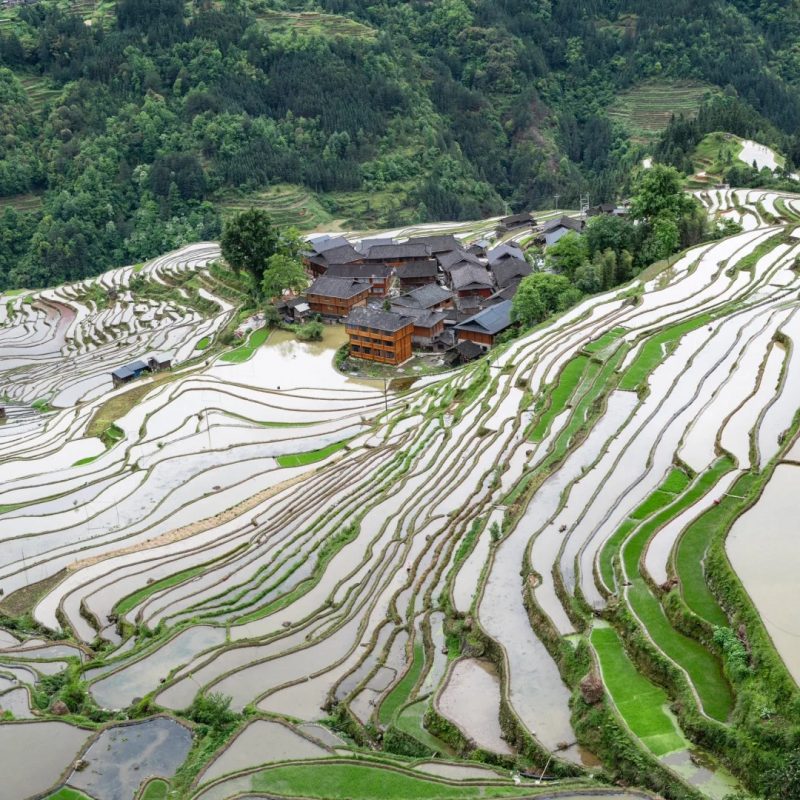
Beyond its best-known highlights, Guizhou also offers a wilder and more open side of travel. From the grasslands of Wumeng and the karst cliffs of Getu River to the layered rice terraces of Jiabang and the bamboo forests of Chishui, these landscapes bring together hiking, village stays, open views, and a slower connection with nature. For travelers who want something quieter, greener, and less conventional, they reveal another side of Guizhou worth exploring.
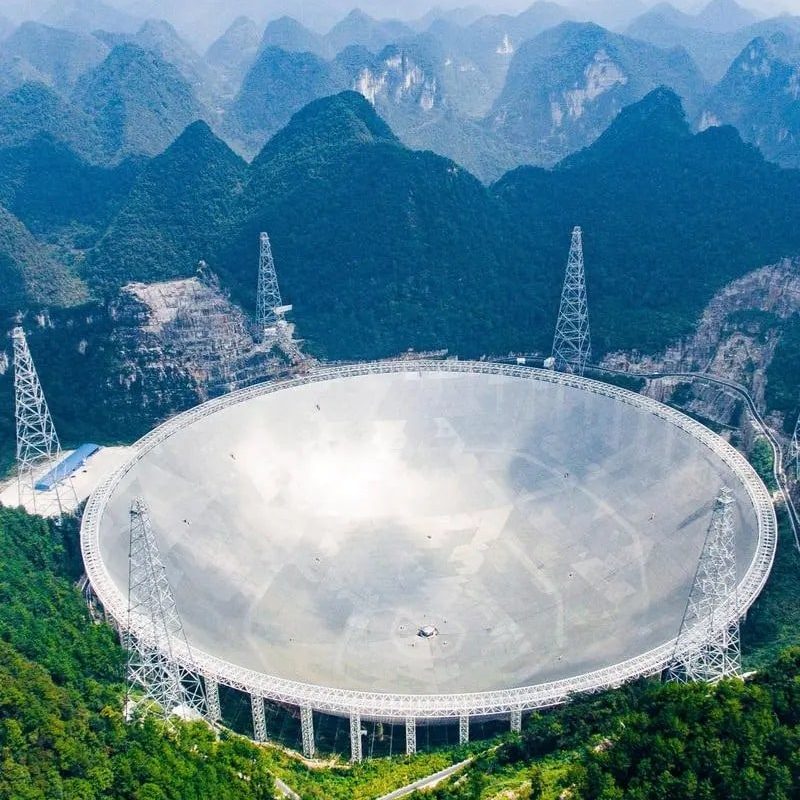
Visit one of Guizhou’s most unexpected landmarks at the FAST “Sky Eye” observatory in Pingtang, home to the world’s largest single-dish radio telescope. A visit can combine the astronomy experience center, panoramic views of the telescope from the observation area, and a closer introduction to radio astronomy, space science, and how scientists listen for signals from deep space. It is an especially rewarding stop for families, students, and travelers interested in seeing a more innovative and future-facing side of Guizhou.
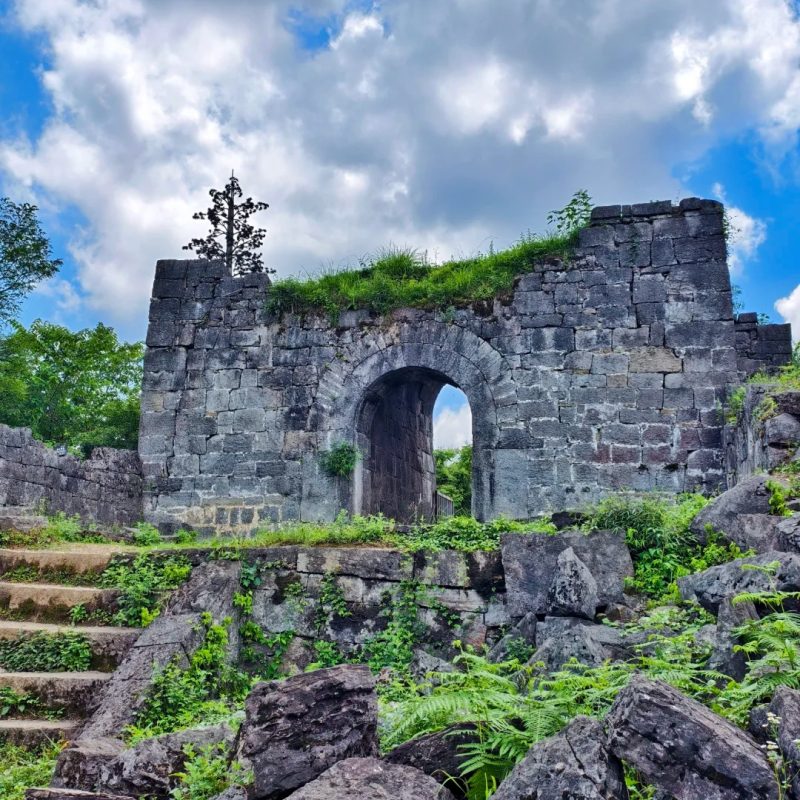
Beyond scenery and village culture, Guizhou also has a strong historical dimension. The Zunyi Meeting Memorial offers insight into a decisive moment in modern Chinese history, while Hailongtun—Guizhou’s only UNESCO World Cultural Heritage site—preserves the remains of a remarkable medieval mountain fortress. Together, they reveal a side of Guizhou shaped not only by landscapes, but also by political history, military strategy, and regional cultural heritage.
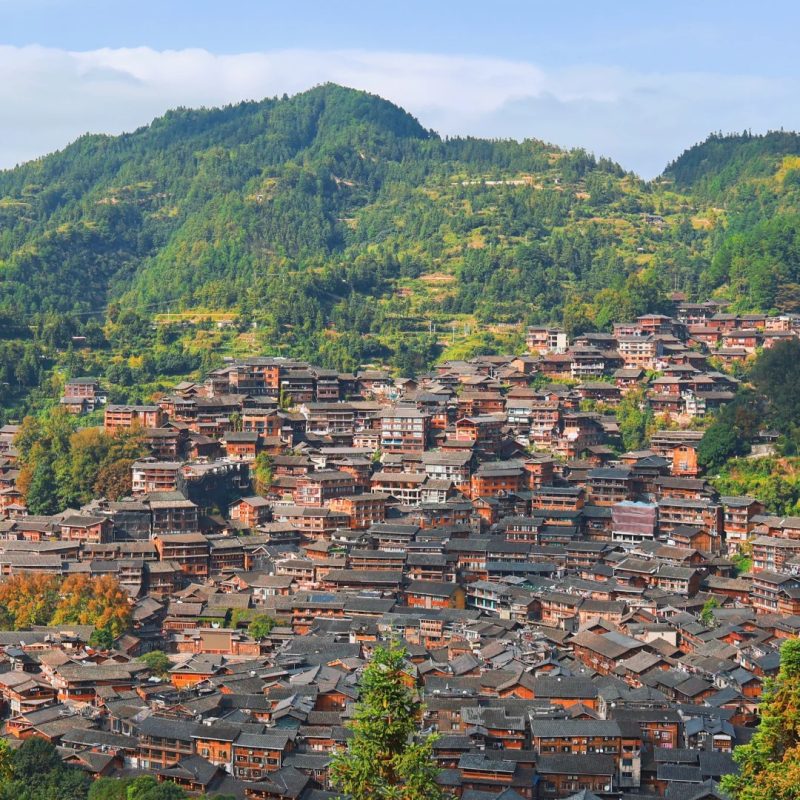
Located in Leishan County in southeast Guizhou, Xijiang is one of the most important cultural stops in the wider Kaili and Qiandongnan region. The village spreads across both sides of a mountain valley, where rows of traditional wooden Miao houses rise up the slopes above the river. It is an easy addition to a Guizhou route through Kaili, and for many travelers it offers one of the province’s most memorable combinations of village scenery, evening atmosphere, local food, and living Miao culture.
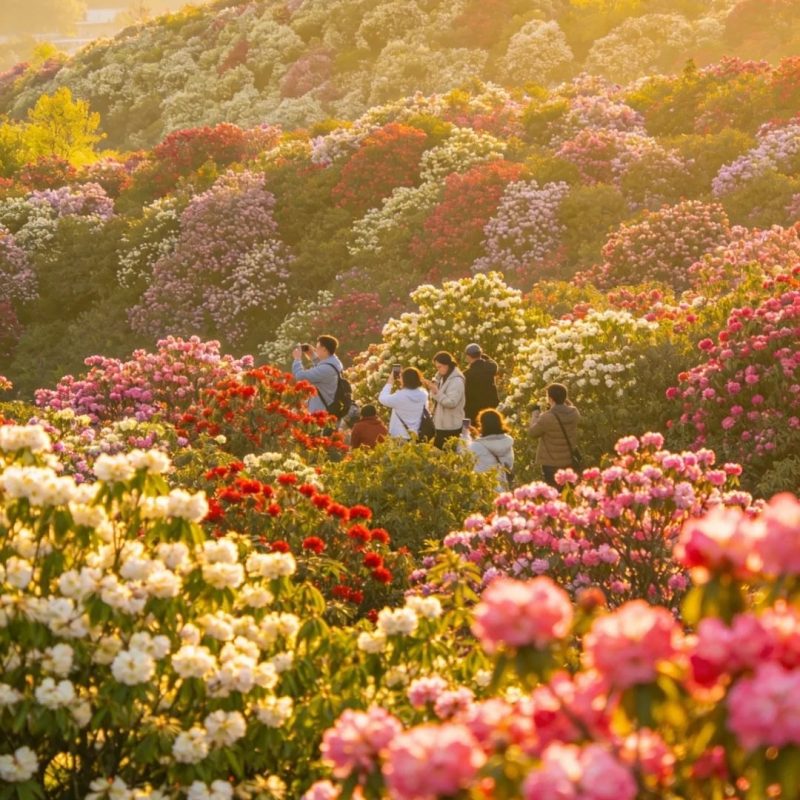
Baili Azalea is Guizhou’s signature spring destination, known for its vast natural rhododendron landscape and spectacular seasonal color. Covering an exceptionally large area, it is widely regarded as one of the world’s most remarkable wild azalea regions. From March to April, the mountainsides come alive with blooms, making it one of the most memorable places to visit in Guizhou during the spring season.
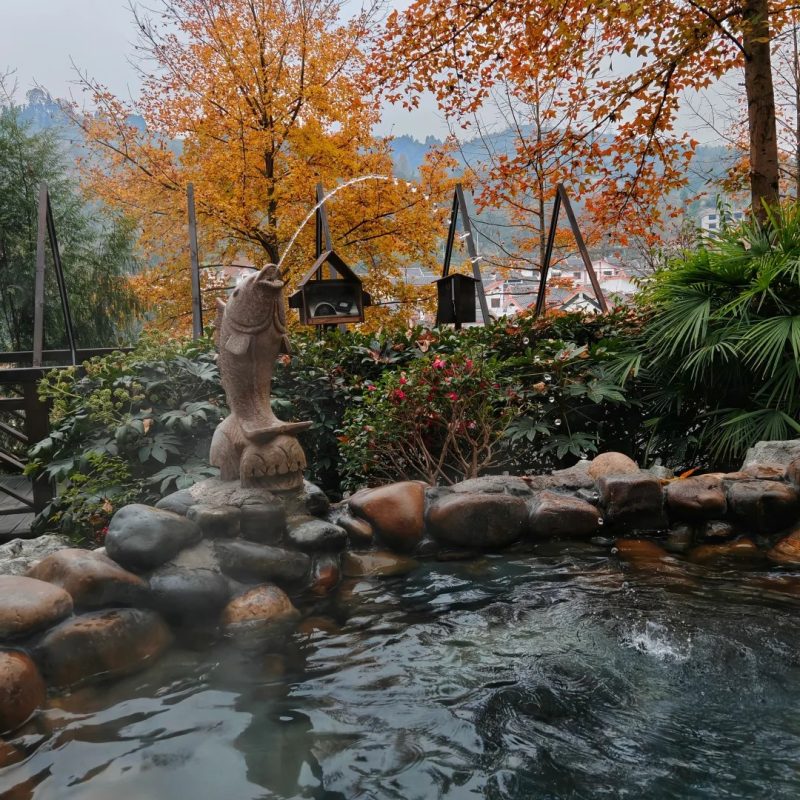
Shiqian is one of Guizhou’s best-known hot spring destinations, valued for its long history, natural mineral-rich thermal water, and slower wellness atmosphere. Beyond the bathing experience itself, the area can also be combined with nearby Gelao cultural sites, adding a local cultural dimension to a more restorative side of Guizhou travel. It is a strong choice for travelers looking to balance scenic touring with relaxation and regional heritage.
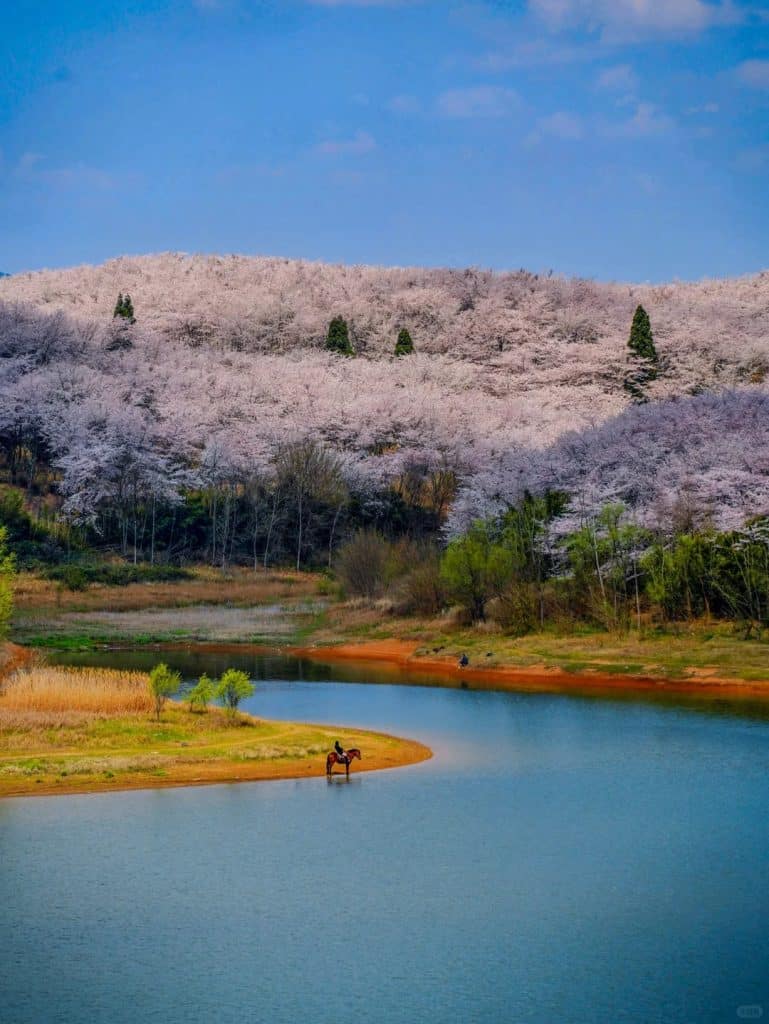
Spring (March to May) and autumn (September to November) are generally the best times to visit Guizhou, with milder temperatures, more stable weather, and comfortable conditions for both sightseeing and cultural travel. Summer is ideal for waterfalls, greenery, and outdoor activities, while winter suits travelers who prefer fewer crowds, hot springs, and a slower pace.
Spring is one of the most rewarding times to visit Guizhou. Baili Azalea comes into bloom from late March to early April, while Pingba’s cherry blossoms create one of the best-known spring landscapes in the province. This is also a beautiful season for Libo’s karst scenery and Huangguoshu Waterfall, with fresh greenery and softer light. In some years, spring also brings major ethnic festivals such as the Sister’s Meal Festival in Taijiang.
Summer is the wettest season, but it is also when Guizhou’s waterfalls and river landscapes are at their most powerful. Huangguoshu Waterfall, Maling River Canyon, and Libo Xiaoqikong are especially impressive at this time of year. The province’s cooler mountain climate also makes summer a good season for countryside cycling, rafting, grassland trips, and village-based travel.
Autumn brings clearer skies and some of the best visibility of the year, making it one of the strongest seasons for photography. Fanjingshan is often at its best in autumn, while places such as Jiabang, Congjiang, and Wanfenglin are known for golden rice fields and harvest scenery. This is also an important season for cultural travel, with Miao New Year and Dong New Year celebrations in some areas.
Winter is a quieter time to visit Guizhou and can work well for travelers who want a more relaxed trip. Southern parts of the province, especially Qiandongnan and Qiannan, remain relatively mild compared with northern China. This season is well suited to slower visits to Dong and Miao villages, hot spring stays such as Shiqian, and seasonal winter scenery in places like Fanjingshan and Chishui.
Each season shows a different side of Guizhou, from spring flowers and summer waterfalls to autumn harvest landscapes and quieter winter village journeys. The best time to visit depends on whether you are most interested in scenery, festivals, photography, or a slower cultural experience.
Guizhou works especially well as part of a broader southwest or scenic China journey. It pairs naturally with destinations that add either stronger city culture, different mountain landscapes, or a broader view of southern and western China. For many travelers, Guizhou is not a standalone stop only, but a destination that adds depth, contrast, and a more original rhythm to a multi-region itinerary.
Chengdu and Guizhou work well together because the route moves naturally from Sichuan’s relaxed city life and panda experiences into a quieter southwest landscape of karst mountains, minority villages, and traditional wooden architecture. It gives the journey a clear rhythm: easy urban culture first, then a deeper view of inland China.
Zhangjiajie and Guizhou both offer dramatic mountain scenery, but the travel experience is very different. Zhangjiajie is known for its vertical sandstone peaks and major scenic areas, while Guizhou adds ethnic village life, waterfalls, cave landscapes, and less commercial countryside. Together, they create a strong nature-focused route with real cultural depth.
Guilin and Guizhou are a practical and meaningful combination for travelers who want southern China’s landscapes without repeating the same experience. Guilin offers classic river scenery, limestone hills, and a polished leisure pace, while Guizhou feels more remote, varied, and culturally layered through villages, terraces, waterfalls, and local minority traditions.
Yunnan and Guizhou make sense for travelers interested in southwest China beyond the usual highlights. Yunnan brings well-known destinations such as Kunming, Dali, and Lijiang, while Guizhou adds a less familiar side of the region through Miao and Dong villages, mountain roads, market towns, and a more grounded rural atmosphere.
The tips below cover the key things to know before visiting Guizhou, from ticket reservations and transport to village etiquette, weather, and common travel pitfalls. They are especially useful for first-time visitors planning a smoother and more informed trip across the province.
Most major scenic areas in Guizhou operate on a real-name reservation system with timed entry. In practice, this means visitors are often required to reserve in advance before entering popular attractions. During peak travel periods, places such as Fanjingshan, Huangguoshu Waterfall, Libo Xiaoqikong, and Xijiang Miao Village can fill up quickly, so booking several days ahead is strongly recommended.
Foreign travelers should normally use their original passport for reservation and entry, while visitors from Hong Kong, Macau, and Taiwan should carry the relevant travel permit or return permit. In some cases, discounted ticket verification for these document types may still need to be handled at the ticket window rather than fully online, so it is best to bring the original document with you.
Children, seniors, students, military personnel, and some other eligible groups may qualify for ticket discounts or exemptions, but the exact policy depends on the attraction. Always check the latest rules before visiting and carry the original supporting documents for on-site inspection.
FAST, the “China Sky Eye” radio telescope site, has stricter entry rules than most attractions. Electronic devices are not allowed in the core area, so visitors should be prepared to store phones, smart watches, cameras, and power banks before entering.
Guizhou is a mountainous province, and many of its best-known attractions are spread out. Travel times between major sights are often longer than they look on a map, so a combination of high-speed rail, official shuttle transport, and private transfer is often the most efficient option.
If you arrive in Guiyang, Guiyang North Railway Station and Guiyang Railway Station are generally the most convenient transport hubs. For onward travel, some of the most commonly used rail access points include Anshun West for Huangguoshu, Kaili South for Xijiang Miao Village, Libo Station for Xiaoqikong, and Tongren or Jiangkou for Fanjingshan.
Official tourist shuttle services are available on some of the main routes linking airports, rail stations, and major scenic areas. Whenever possible, it is better to use official transport channels rather than unlicensed roadside cars.
Huangguoshu Waterfall is best visited early in the day, ideally close to opening time, to avoid the main tour group rush. A commonly recommended route is Doupotang first, then Tianxing Bridge, and finally the main waterfall area. If you visit the Water-Curtain Cave, lightweight rain protection is useful, and umbrellas are usually impractical on slippery paths.
Fanjingshan requires particularly careful timing. Most visitors enter from the east gate and use the cable car system there. Entry too late in the day is risky, as upper mountain access and cable car operations stop on a fixed schedule. Good grip shoes are essential, and on days of heavy rain, fog, or very poor visibility, the summit experience may be limited.
Libo Xiaoqikong is often easiest to visit from the west gate toward the east gate, as the route is generally more convenient and less tiring. In warmer months, parts of the water-forest area may involve wet surfaces or shallow water, so anti-slip shoes are a good idea. Early morning is usually the best time for photography around Wolong Pool and the historic Xiaoqikong Bridge.
Xijiang Miao Village is especially crowded around the main evening viewpoint. Travelers who want panoramic night views may prefer to go earlier or stay in a hillside guesthouse with its own viewing angle. The stone paths inside the village can be steep and uneven, so large rolling suitcases are not very practical.
Drone use is restricted in many scenic areas. In some locations, advance registration, approval, and designated takeoff points may be required, especially for larger drones. Always follow local flight regulations and scenic area rules.
When visiting Miao, Dong, Bouyei, and other ethnic villages, basic respect matters. Do not photograph elderly residents, children, or ritual activities at close range without permission. If you join a handicraft workshop or cultural activity, clarify the price in advance and avoid treating local traditions as staged entertainment.
In many villages, drum towers, shrines, sacred trees, and ritual spaces are not just decorative landmarks but places with real cultural meaning. Avoid touching them casually, climbing on them, or speaking loudly in their immediate surroundings.
In Miao villages, it is considered disrespectful to step directly on the doorstep of a wooden home or sit on it. If you are welcomed with a traditional toasting ritual and do not drink alcohol, it is better to explain politely in advance rather than push away the cup or the host’s hand.
In Dong villages, welcome drinks at the village entrance are a common part of local hospitality. Accepting them politely is usually appreciated. Drum towers in particular should be treated as important public and ceremonial spaces.
In Bouyei villages, household fire areas and certain sacred trees may carry symbolic meaning. Visitors should avoid using them casually or treating them like ordinary photo props.
Guizhou’s weather can change quickly, and rain is common in all seasons. A compact umbrella or light rain jacket is useful at almost any time of year. In mountain areas, the temperature difference between daytime and evening can be significant, so even in summer it is worth carrying a light outer layer.
Shoes are one of the most important practical choices for Guizhou. Many scenic areas involve wet steps, mountain paths, uneven stone roads, and slippery viewpoints, so anti-slip walking shoes or light hiking shoes are far more practical than fashion footwear.
Sun protection is also important, especially in higher areas and open viewpoints. Sunscreen, a hat, and sunglasses are worth packing. Travelers with sensitive stomachs may also want to bring basic digestive medicine, as Guizhou cuisine often features strong sour and spicy flavors. Mosquito repellent is useful in rural and mountain areas.
In Guiyang, major attractions, hotels, and larger restaurants, international bank cards are increasingly accepted, but smaller village businesses, snack stalls, and family-run shops may still rely more heavily on cash, WeChat Pay, or Alipay. Carrying some RMB in cash is still a sensible backup.
Many of Guizhou’s most beautiful places involve waterfalls, rivers, canyons, and mountain edges, so slippery ground is a real concern. Families traveling with children or elderly relatives should be especially careful near water and cliffside paths.
For adventure activities such as rafting, climbing, canyon sports, or bungee jumping, choose licensed operators and follow all safety instructions carefully. Do not assume that cheaper roadside offers are equivalent to正规 operators.
Low-cost day tours and transport offers around scenic areas sometimes involve shopping stops, hidden charges, or aggressive upselling. It is safer to use established providers, official booking channels, or clearly priced private arrangements. When buying silverwork, batik, tea, or other local products, buy from reliable shops and ask for a receipt.
In some village and old-town areas, paid fortune-telling, blessing rituals, or similar informal “experiences” may function more as tourist traps than genuine cultural activities. A polite refusal is often the simplest option.
10 common questions international travelers ask before visiting Guizhou
Most foreign travelers still need a valid China visa unless they qualify for China’s current visa-free entry policies. In addition, eligible transit travelers may use China’s 240-hour visa-free transit policy through Guiyang Longdongbao International Airport, provided they meet the nationality, ticket, and onward third-destination requirements. Because China’s visa policies have been expanding, it is always best to check the latest official rules before booking.
For a classic first trip covering Huangguoshu Waterfall, Libo Xiaoqikong, Xijiang Miao Village, and Fanjingshan, 5 to 7 days is usually a comfortable range. If you also want to include places such as Wanfenglin, Chishui, or smaller ethnic village regions at a slower pace, 8 to 14 days works much better. This allows time for longer drives, mountain scenery, and village experiences without making the trip feel rushed.
Yes. Guizhou works very well as part of a multi-city China itinerary. Good combinations include Chengdu + Guizhou, Zhangjiajie + Guizhou, Guilin + Guizhou, and Yunnan + Guizhou, depending on whether you want more city culture, more mountain scenery, or a broader southwest China journey.
Yes, Guizhou can work very well for families. It offers a good mix of nature, light outdoor activity, and cultural experiences, from the easy water scenery of Libo Xiaoqikong to science-focused visits at FAST, countryside cycling in Wanfenglin, and hands-on cultural experiences in ethnic village areas. The best family itineraries usually keep the pace moderate and avoid packing too many long drives into a short trip.
For most international travelers, the most comfortable and efficient option is a private vehicle with a local driver. Guizhou’s highlights are spread across a mountainous province, and road journeys between major sights often take several hours. A private car makes the pace much easier, especially when combining scenic areas, village regions, and smaller stops along the way.
For longer intercity sections, high-speed rail is often the best option, especially on routes connected through Guiyang, Anshun, Kaili, Libo, and Tongren. Guiyang’s airport and major rail stations also connect with official tourist shuttle services on some of the province’s best-known routes.
In most cases, no — not unless you are already familiar with local mountain driving conditions and have the correct legal documents for driving in mainland China. Guizhou’s roads can involve long mountain sections, changing weather, fog, and complex terrain. In addition, an International Driving Permit is not accepted on its own in mainland China. Foreign visitors who want to drive legally must apply for a Chinese-recognized permit, such as a provisional driving permit or the relevant Chinese license arrangement.
Yes. The most important rule is simple: treat village life as living culture, not as a performance. Do not photograph elderly residents, children, or ritual activities at close range without permission. Avoid touching shrines, sacred fire areas, drum towers, or other ceremonial spaces casually, and keep your voice down in places that clearly serve a cultural or communal function.
In some Miao villages, it is considered disrespectful to step directly on the doorway threshold of a wooden house. If you are welcomed with a traditional toasting ritual and do not drink alcohol, it is better to explain politely in advance rather than refuse abruptly. In Dong villages, drum towers are not just architectural landmarks — they are important communal spaces and should be treated with respect. Guizhou’s official cultural material also highlights the province’s rich ethnic traditions and major festivals throughout the year.
Yes — in many cases, visitors are welcome to observe or take part as long as they do so respectfully. Guizhou is well known for its ethnic cultural calendar, including events such as Miao Lusheng celebrations, Dong Grand Song festivals, dragon canoe events, and other local seasonal gatherings that continue to be actively celebrated today. Official Guizhou cultural releases regularly feature these festivals as an important part of the province’s living heritage.
If your trip timing is flexible, joining a local festival can add a very different dimension to a Guizhou journey — not as a staged show, but as a closer look at music, dress, food, and community life still practiced in real settings.
Yes, very safe. Guizhou is one of the safest provinces in China, with a very low crime rate, a well-developed tourism service system, and friendly, welcoming local people toward visitors from around the world. In case of an emergency or travel-related complaint, you can call the 24-hour official service hotline at 0851-12345, or the national emergency numbers 110 (police) and 120 (ambulance).
Drone flights in Guizhou’s scenic areas require prior approval. For drones weighing over 250 grams, you must first complete real-name registration on China’s CAAC UOM platform, then go to the scenic area visitor center to sign the required declaration form and reserve a designated takeoff and landing point. All no-fly zones and altitude restrictions set by each scenic area must be strictly followed. Drone flights are completely prohibited in the core area of FAST (China Sky Eye), military control zones, and airport clearance zones.
Yvonne
Senior Travel Advisor
Hi, I’m Yvonne. Planning a private trip to China? Share your travel dates and ideas, and I’ll help you get started.