
Home
China Tours
Travel Guide
Plan Your Trip
About Us
Home
China Tours
BEIJING
Explore Beijing through its imperial palaces, hutong lanes and a day on the Great Wall. A private itinerary can balance these landmarks with time for a courtyard lunch, a garden walk or an unhurried evening.
Your interests shape the itinerary; the details make it work. We consider which Great Wall section best suits you, how to coordinate palace visits with reservation times, and where to stay for the experiences you want.
Three full sightseeing days can cover the Forbidden City and Jingshan, one Great Wall section, and the Temple of Heaven with a short hutong walk. Four to five days allows the Summer Palace and more time for meals, museums or rest. Arrival and departure days are additional. Use the tours below as starting points for your own route.


Beijing’s historic core is organized around a north–south axis linking the Bell and Drum Towers, Jingshan, the Forbidden City and Tian’anmen. The Temple of Heaven lies farther south, to the east of the city’s central axis.
The Summer Palace is in the northwest, Olympic Park is north of the historic core, and 798 Art District is in the northeast. Group nearby places together and treat a Great Wall excursion as a separate day.

Beijing brings imperial architecture, neighborhood life and mountain scenery into one stay. The palace courtyards explain the scale of the former capital; Jingshan reveals their layout; a hutong walk adds the detail of daily life.
For a private trip, the value lies in choosing what deserves your time: a deeper palace visit, a shorter Wall walk with comfortable transfers, or an afternoon in an imperial garden. A longer sightseeing list is not always a better day.

Begin with the palace district and one Great Wall section. Add temples, lakeside walks and gardens according to your interests and energy. The suggested durations below are planning estimates, with extra time needed for meals, transfers and security.

Hotel location matters as much as the number of sights. A central address can simplify palace and hutong days, but no hotel removes the drive to the Great Wall. Check the actual entrance and vehicle meeting point for each visit, rather than measuring distance to a map pin.


Historic core: the Forbidden City, Jingshan and the hutongs. South of the core: Qianmen and the Temple of Heaven. Northwest: the Summer Palace. North and northeast: Olympic Park and 798, which need a transfer between them.
Build each day around one main area. Traffic, entrance queues and the distance inside a site can matter more than the distance between landmarks.
Day 1: the Forbidden City and Jingshan, with Tian’anmen Square if the reservation and access arrangements fit. Day 2: one Great Wall section. Day 3: the Temple of Heaven and a short hutong walk, with a transfer between them.
With four or five full days, add the Summer Palace and space for a museum, the Lama Temple or an easier afternoon. Reorder around confirmed tickets and opening days; avoid attaching a major sightseeing day to a long flight.
Follow the palace route from south to north: enter the Forbidden City through the Meridian Gate (Wumen), then leave via a permitted exit, usually the northern Gate of Divine Prowess (Shenwumen) for Jingshan. The Bell and Drum Towers lie farther north and are an optional extension with a transfer or additional walking.

The Forbidden City was the imperial palace of the Ming and Qing dynasties and is now the Palace Museum. Allow roughly three to four hours for a selective first visit; art collections and specialist interests can justify longer.
Palace admission and a Tian’anmen Square visit have separate reservation and access arrangements. A palace ticket is not a square booking. Confirm the approach to Wumen, carry the original identity document used to reserve, and allow time for security.

Immediately north of the Forbidden City, Jingshan offers a view across the palace roofs. It is a convenient follow-on after leaving through Shenwumen, when energy and visibility allow.
The summit requires steps; the park paths below offer a gentler visit. Allow extra time for the climb and check conditions before making the panorama the focus of your afternoon.

The Temple of Heaven was used for imperial ceremonies associated with harvests and heaven. Its ceremonial buildings follow their own north–south axis inside a much larger park; this is separate from Beijing’s central axis.
Allow around two to three hours for the main monuments and a park walk. Morning visits may include residents exercising or making music. Check that your ticket includes the monument areas you want to enter, rather than park access alone.

Qianmen and the lanes around Dashilan make a useful stop for shopping, food and historic shopfronts south of Tian’anmen. The main pedestrian street is busy; choose a short route through surrounding public lanes for a different perspective.
This works well as a separate evening with dinner. Select a restaurant around your preferences and dietary needs, and confirm how far you will walk from the vehicle meeting point.

Shichahai’s lakes and surrounding hutongs offer a change of pace northwest of the Forbidden City. Choose a short lakeside stroll or a longer route towards the Bell and Drum Towers.
The area can be lively, particularly around bars and popular lanes. For a quieter visit, discuss the route and time of day. Narrow streets can limit vehicle access, so agree on a practical pickup point.
A hutong walk gives the day a different scale after the palace courtyards. Pair it with one nearby temple or a relaxed meal, leaving room to stop rather than rushing between neighborhoods.

Hutongs are lanes traditionally associated with courtyard homes. Some now contain cafés and shops; others remain residential. The lanes around the Drum Tower and Shichahai offer several possible routes, with busy commercial streets and quieter corners close together.
Stay in public areas, ask before photographing people, and avoid photographing into homes. A courtyard visit or hosted activity should be specifically arranged and confirmed, rather than assumed to be included.

Yonghe, the Lama Temple, is an active Tibetan Buddhist place of worship. Nearby, the Confucius Temple and Imperial Academy introduce the scholarly traditions of the former capital.
A half-day can accommodate a selective visit to both areas. Follow posted photography and worship rules, and allow for thresholds, steps and standing time. Choose the depth of the visit around your interests rather than treating each courtyard as a required stop.
The Great Wall and Ming Tombs lie outside central Beijing. Choose the site first, then check the transfer and walking plan. A comfortable Wall day usually leaves little room for another major attraction.

Mutianyu has restored walls, wooded mountain views and several transport options, making it a useful choice for many private itineraries. Plan the route around the amount of climbing you want, rather than assuming transport removes all steps.
The enclosed cable car and the chairlift/toboggan system use different routes and tickets. Admission does not automatically include every ride or shuttle. Confirm the chosen entrance, ticket combination, operating conditions and any rider restrictions before the visit.
For a longer stay, choose an imperial garden, the Ming Tombs or contemporary Beijing. These experiences sit in different parts of the city and its surroundings. Select one that adds something distinct to your trip.

The Summer Palace combines Kunming Lake, Longevity Hill, pavilions and the painted Long Corridor. Allow a half-day for a selective visit, or longer for a more extensive walk.
For fewer steps, discuss a lakeside route and a suitable entrance, such as the East Palace Gate, instead of assuming a route down from the north is easier. The hill and many historic buildings involve stairs and thresholds.
Boats can shorten parts of a walk when operating, but availability depends on season and weather. Confirm the route, landing points and boarding access. Travelers using a wheelchair should request a specific step-free plan rather than a general promise of easy access.

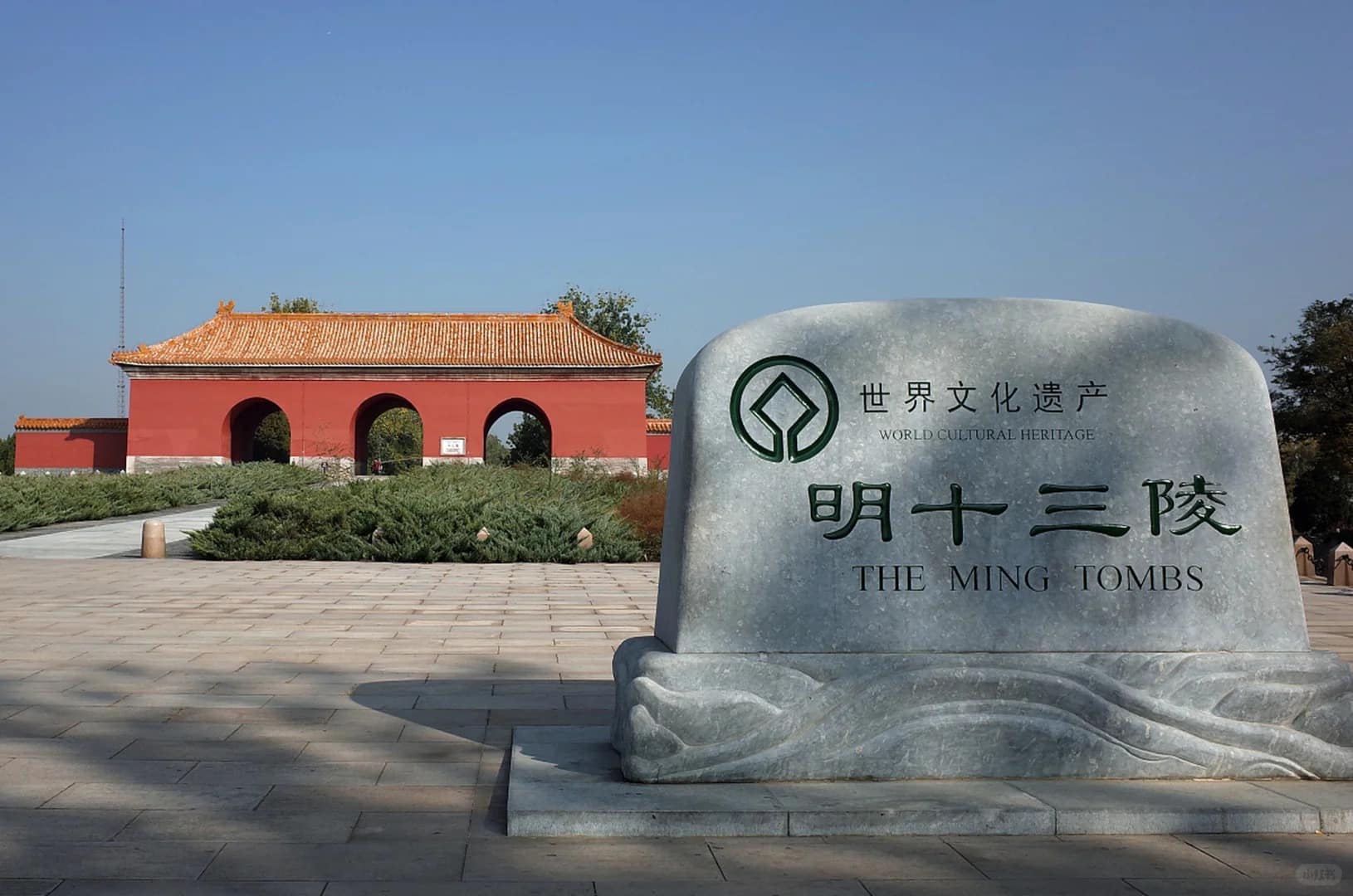
The Ming Tombs include the burial complexes of thirteen Ming emperors. The Sacred Way, with its stone figures, and the tomb complexes are separate visits within the wider area. Choose a focused combination rather than trying to see everything.
Changling and Dingling offer different experiences, and Dingling’s underground palace involves stairs. Discuss this before booking if steps or enclosed spaces are a concern.
A Wall-and-tombs day is possible for some routes, but it means more driving and a shorter visit at each site. Check the exact Wall section, tomb stops and total day length. For an unhurried trip, separate them or choose one priority.

Mutianyu and Badaling suit a classic first visit. Jinshanling combines restored and less-restored stretches, with mountain ridges and watchtowers that appeal to keen walkers and photographers. Gubeikou and Simatai offer different terrain and access arrangements.
Choose by walking distance, ascent and the route currently open to visitors. A longer hike needs a clear start, finish and return transfer, with the group comfortable on uneven steps.
Use only routes currently open to visitors. Closures, repairs and weather can change access. A night visit, where available, is a separate arrangement with its own opening hours and permitted route; do not assume it is included in a daytime ticket.

Olympic Park, north of the historic core, is home to the Bird’s Nest and Water Cube. Exterior views and an interior visit are different experiences; check venue access and event restrictions if you want to go inside.
798 Art District is in the northeast and requires a separate transfer. Its galleries and former factory buildings suit travelers interested in contemporary art and design. Both districts can involve substantial walking across open spaces.
Choose the galleries or exhibition you want before fixing the day. Opening hours vary by venue. For Olympic Park after dark, check current lighting and access arrangements rather than relying on a fixed evening schedule.

Wangfujing and the historic core: useful for palace sightseeing and central dining. Qianmen or a hutong stay: appealing for neighborhood character, with closer attention needed to vehicle access, steps and room layout.
The CBD and eastern city: useful for modern hotels, restaurants and business connections, with longer transfers to some historic sights. Compare the actual address and room facilities rather than choosing on the district name alone.
For a private itinerary, confirm room category, lift access, breakfast, vehicle pickup and whether a quiet room or connecting rooms are needed. A courtyard setting does not automatically mean the same facilities or access as a larger hotel.
Extra time is most useful when it changes the pace. Consider a longer Wall visit or an evening built around dinner and one nearby stop, rather than adding another full sightseeing circuit.

A private Wall day can be shaped around a shorter scenic walk, a longer hike on an open visitor route, or generous time for photographs and lunch. The right choice depends on the group’s fitness, confidence on steps and preferred start time.
An overnight near the chosen section may reduce the pressure of a same-day return drive. Check the hotel’s comfort, dining and distance from the entrance before making this part of a premium trip.
Agree on the walking route, turnaround point and pickup before setting out. Bring water and footwear with grip. If the route closes or conditions deteriorate, the alternative should be an open, suitable route or a different activity.

An evening in Beijing can be as simple as a considered dinner and a short walk. Qianmen, a hutong neighborhood or the exterior of the Bird’s Nest each offer a different setting; choose one area that fits your hotel and daytime route.
Peking duck, a tasting menu or a performance can be discussed as part of the itinerary. Confirm the restaurant or show, dietary needs, start time, transfer and any extra cost before booking.
After a long palace or Wall day, leave room to return to the hotel first. Evening lighting, venue access and performance schedules can change, so keep the final arrangement tied to your actual travel date.
Plan around your walking pace, preferred start time, interests and breaks, with a clear route for each day.

Compare the actual rail or flight services, station or airport transfers and arrival times before adding another city.
Discuss dining, a courtyard stay or a performance, with the specific venue, availability and inclusions confirmed in your proposal.
A clear proposal should set out your trip contact, included services and arrangements for changes, alongside the day-by-day route.
Spring and autumn often offer comfortable sightseeing temperatures. Summer requires a plan for heat and rain; winter calls for warmer clothing and shorter outdoor blocks. Air quality, visibility and crowds vary throughout the year, so no season guarantees clear skies or empty sights.
Best suited to: parks, gardens and city walks.
Temperatures rise through spring, but cold spells, wind and dusty conditions can affect outdoor plans. Blossom timing changes each year. Bring layers and check local conditions before a long Wall walk.
The May public holiday can bring heavier demand. Compare your dates with the holiday calendar before reserving hotels and attractions.
Best suited to: early outdoor visits with indoor breaks.
Summer can be hot and humid, with periods of heavy rain. Plan shade, water and a substantial midday break. Storms may affect mountain access or transport, so avoid treating the Wall as a brief stop before a fixed onward departure.
Changing a booked date depends on availability and ticket conditions; an alternative activity may be more practical.
Best suited to: longer walks and garden or Wall visits.
Early autumn may still be warm; temperatures fall towards November. Foliage and visibility vary, so plan around the season without promising a particular color or view.
The National Day holiday in early October can be busy. For more flexibility, compare dates outside the main holiday period and check the forecast before packing.
Best suited to: museum visits, temples and shorter outdoor walks.
Winter is cold, with exposed palace courtyards and mountain ridges feeling particularly chilly. Plan a warm indoor stop and allow for slippery surfaces after snow or ice.
Quieter periods are possible, but holidays can still attract crowds. Snow, clear skies and clean air are not guaranteed; check the forecast, air quality and site notices close to the visit.
For longer walks: consider spring or autumn. For summer: allow cooling breaks and a rain alternative. For winter: plan warm indoor stops.
Check the holiday calendar, forecast, air quality and site notices before finalizing the day. Clear views and light crowds cannot be guaranteed.
TOCNTRAVEL
China Travel Planning Team
Low sunlight can bring out the texture of Beijing’s palace roofs and walls. Choose a viewpoint that is open at the right time, check the final admission time, and let visibility guide the plan.
Occasional planning notes for private China trips, with route ideas, seasonal advice and practical on-the-ground tips.

The Palace Museum currently releases tickets seven days ahead at 20:00 Beijing time and normally closes on Mondays, except statutory holidays. The short release window means tickets may not yet be available when flights are booked.
Planning tip: prepare the correct passport details, check the official release arrangements and keep an alternative day or activity. Admission remains subject to availability; a private guide cannot guarantee tickets or bypass security.

A private vehicle is useful for hotel transfers and the Great Wall. Within the center, traffic and vehicle restrictions can still leave a walk to the entrance. The metro can be useful for independent outings, with station walks and security to allow for.
Planning tip: ask for realistic transfers from your hotel and confirm the pickup point. Keep the hotel address in Chinese available on your phone.

Large attractions involve security checks, queues and walking inside the grounds. A vehicle cannot take you to every doorway, and a private visit does not remove public admission procedures.
Planning tip: tell your planner about mobility needs, walking tolerance and children’s ages. Agree on rest stops, a shorter route and what happens if part of the group wants to finish early.

Plan the Wall around the chosen section, hotel location and total time away. Mutianyu or Badaling often requires around one and a half to two and a half hours of driving each way from central Beijing as a broad planning estimate; traffic can extend this, and farther sections may take longer.
Planning tip: confirm the transfer, walking time, lunch and ride tickets as one complete day. Add the Ming Tombs only after reviewing the resulting pace.

Bring footwear with grip, seasonal layers and sun protection. For winter, include a warm coat, gloves and head covering; for summer, allow for heat and rain. Exposed Wall sections can feel different from the city.
Planning tip: check weather and air quality close to departure and on the day. Keep an indoor alternative available when outdoor conditions are unsuitable.

For the Palace Museum, take the original passport or other accepted identity document used for the reservation. Check the document requirements for every other booked attraction and transport service.
Planning tip: make sure names and document numbers match the reservations. Keep the document secure and accessible for checks; do not assume a photograph will be accepted instead.
Beijing works as a first or final stop, depending on international flights and the rest of your route. Beijing → Xi’an → Shanghai is one possible introduction to imperial history and contemporary city life, with rail and flight options to compare.
Chengdu, Zhangjiajie or a Yangtze cruise can add a different landscape and pace. Choose an extra stop only when your dates leave time to enjoy it; each connection also takes time for packing, station or airport procedures and hotel transfers.
Planning the next stop: compare the actual train or flight, departure station, arrival time and total transfer. Avoid a fixed sightseeing booking immediately after arrival. For cruise extensions, confirm the sailing dates before arranging the surrounding cities.

Xi'an
Continue to Xi’an for the Terracotta Warriors and city walls; compare the rail and flight options for your dates.

Shanghai
Add Shanghai for the Bund, contemporary architecture and a different pace of city life.

Chengdu
Explore pandas, teahouses and Sichuan food in Chengdu, with time for more than the headline sights.

Zhangjiajie
Head south for sandstone pillars, cliff viewpoints and mountain air after the imperial city.
Beijing is a strong choice if imperial history, major monuments and the Great Wall interest you. It also works well with a contrasting stop such as Xi’an or Shanghai. The right sequence depends on your flights, available time and interests.
Allow three full sightseeing days for the Forbidden City and Jingshan, one Great Wall section, and the Temple of Heaven with a short hutong walk. This is a fairly full plan. Four to five days gives more room for the Summer Palace, museums, longer meals and rest. Add arrival and departure time separately.
The answer depends on the Wall section and your hotel. For Mutianyu or Badaling, around one and a half to two and a half hours each way from central Beijing is a broad driving estimate, with longer journeys possible in traffic. Jinshanling and other farther sections need a separate calculation. Confirm the actual route before booking.
Yes. The current release is seven days ahead at 20:00 Beijing time, subject to availability. Prepare the correct identity details and check the Palace Museum’s official arrangements. It normally closes on Mondays except statutory holidays. A Tian’anmen Square visit has separate reservation arrangements.
Main metro stations and major sights have English signs, but English assistance varies. Keep your hotel address in Chinese and arrange mobile data before independent outings. A private guide can help with interpretation and logistics; confirm the guiding language and included hours in your proposal.
Spring and autumn often suit longer outdoor visits. Summer needs breaks for heat and rain; winter needs warm clothing and shorter outdoor blocks. Avoid assuming any season guarantees clear air or quiet attractions, and check public holidays when choosing dates.
Sometimes, with a private vehicle and a full day. It depends on the Wall section, which tomb areas you want and how much walking you plan. Combining them usually reduces time at each stop. Ask for the complete route and transfer estimate; separate days are often more comfortable.
Yes, when the pace suits the family. Choose shorter palace and Wall routes, arrange breaks and discuss vehicle seating needs. Cable cars and boats may reduce walking, but do not remove every step or queue. Ride restrictions and boarding access should be confirmed for the travelers concerned.
Both Xi’an and Shanghai can be reached by high-speed rail or air. Journey times, stations and departures vary by service, so compare the actual timetable and total hotel-to-hotel travel. A rail journey can be comfortable, but the best choice depends on your itinerary and available services.
Both are established visitor sections. Mutianyu is a useful option for wooded scenery and a private driving itinerary; Badaling may fit travelers who prefer its location or available transport. Compare the exact route, gradients, rides and travel date. Neither is guaranteed to be quiet or step-free.
Prepared by TOCNTRAVEL’s China Travel Planning Team. About our team.
Official references checked 19 September 2026: Palace Museum visitor and ticket guidance; Mutianyu ticket inclusions; Summer Palace accessible routes; Hebei cultural heritage authority on Jinshanling restoration.
Heritage background: UNESCO entries for the Imperial Palaces, Temple of Heaven and Summer Palace.
Durations and suggested combinations are editorial planning estimates. Reconfirm tickets, opening arrangements, access, weather and transport for your dates. Photographs are selected from the TOCNTRAVEL media library. Contact the team for a proposed itinerary.
Share your dates, party size, interests, hotel preferences and comfortable walking pace. We can shape a Beijing itinerary with the right Great Wall section and onward connections. Request a proposal that sets out the route, accommodation, transport, guiding and included costs before you decide.

Claire
Senior Travel Advisor
Hi, I’m Claire. Planning a private trip to China? Share your travel dates and ideas, and I’ll help you get started.