
For travelers who want to understand China beyond its most famous landmarks, cultural travel is not simply about seeing more places. It is about seeing them with more context, more depth, and a stronger sense of what each place actually represents.
That is where a private China tour makes a real difference. Instead of moving through a fixed sightseeing schedule, you can shape the journey around a custom China itinerary, allow time for slower exploration, and connect places that reveal different layers of Chinese civilization in a more meaningful way., allow time for slower exploration, and connect places that reveal different layers of Chinese civilization in a more meaningful way.
Chinese culture is not concentrated in one city, one dynasty, or one monument. It is layered, regional, and historically deep. Imperial capitals, archaeological sites, classical gardens, Buddhist cave temples, Silk Road cities, and living local traditions all reveal different parts of the country’s civilizational story. Some places are essential for understanding political and dynastic history. Others open a window into literati aesthetics, regional identity, religious exchange, or the texture of everyday cultural life.
If your goal is not just to visit China, but to understand it more deeply, these are some of the best places to experience Chinese culture on a private China tour.
Beijing: Imperial Heritage, Ritual Order, and the Structure of the Historic Capital
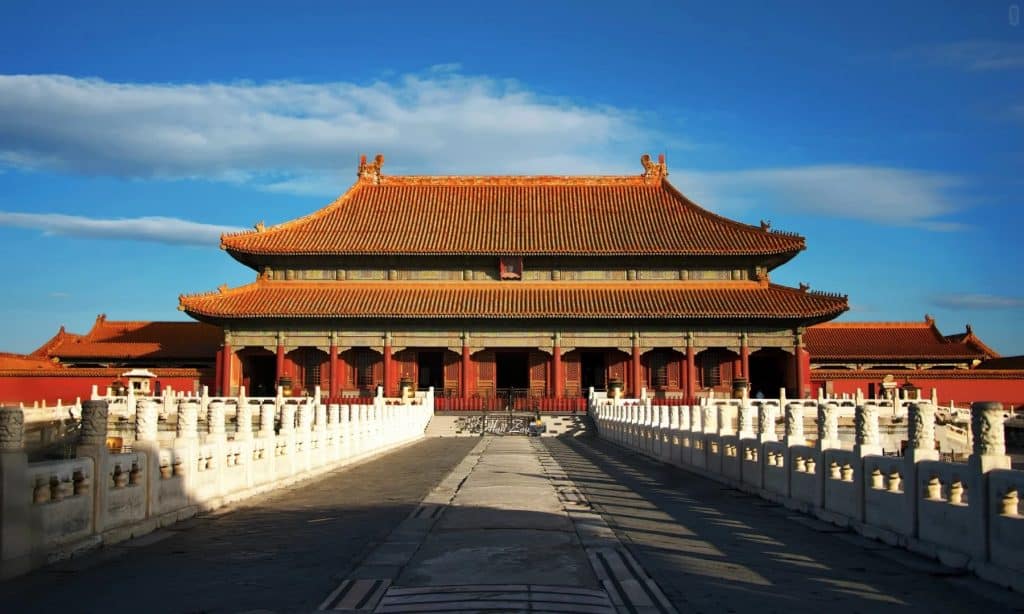
Beijing is one of the most important places in China for understanding imperial culture. As the capital of the Yuan, Ming, and Qing dynasties, it preserves a remarkable concentration of political, ceremonial, and architectural heritage. The Forbidden City, the Temple of Heaven, the Summer Palace, and the Great Wall together offer an unusually complete introduction to how imperial China expressed power, cosmology, and state order through space.

What makes Beijing especially rewarding for cultural travelers is that its significance goes far beyond the headline landmarks. The city also reveals the deeper structure of traditional Chinese urban life. Hutongs, courtyard houses, princely residences, old temples, and ceremonial axes help explain how political order, social hierarchy, and daily life were historically intertwined.
On a private tour, Beijing becomes more rewarding because the city benefits from pacing, theme, and interpretation. Instead of rushing from one major site to the next, travelers can explore the capital through specific cultural lenses — imperial architecture, ritual space, old neighborhood life, city planning, or the symbolic logic of the historic center. That often makes the difference between simply seeing Beijing and actually understanding it.
For travelers interested in court culture, architecture, ritual, or the long continuity of China’s political civilization, Beijing is one of the strongest starting points in the country. It is not just a place of famous monuments. It is one of the clearest gateways into the logic of imperial China.
For a deeper look at the capital, explore our Beijing private tours.
Xi’an and Luoyang: The Roots of Chinese Civilization and the Great Dynastic Capitals
Few places are more important than Xi’an and Luoyang for understanding the long arc of Chinese civilization. Together, they represent the heartland of early state formation, dynastic consolidation, and classical political culture. Xi’an, once Chang’an, was the capital of some of the country’s most powerful dynasties, including the Zhou, Qin, Han, and Tang. Luoyang, with its equally deep history, was one of the great capitals of early and medieval China and remains essential to the story of statecraft, Buddhism, and the Central Plains cultural world.
Xi’an is often associated first with the Terracotta Army, and understandably so. It is one of the great archaeological sites of the world. But the city’s cultural importance goes much further. It was one of the most cosmopolitan capitals of the ancient world, where dynastic authority, Silk Road exchange, military power, and court culture all converged. The old city wall, the Shaanxi History Museum, and the wider historical landscape help place the Terracotta Army within a much broader civilizational framework.

Luoyang offers something slightly different. It may feel less dominant in the modern tourist imagination, but culturally it is no less important. The Longmen Grottoes, the White Horse Temple, and the legacy of early dynastic capitals make it one of the key places for understanding early Chinese statecraft, the spread of Buddhism, and the cultural formation of northern China.
A private journey works especially well here because these cities reward connection rather than isolated sightseeing. Xi’an and Luoyang are not just collections of famous sites. They form part of a much larger story about how Chinese civilization developed, expanded, organized itself, and projected cultural influence. A well-designed private route allows travelers to follow those links more clearly, whether the focus is archaeology, dynastic history, Buddhism, or the rise of the great capitals.
For travelers who want to explore origins, empire, and the deeper foundations of Chinese civilization, Xi’an and Luoyang form one of the most compelling cultural corridors in China.
Chengdu and the Ancient Shu World: A Different Origin of Chinese Civilization
For a long time, many people understood early Chinese civilization mainly through the Central Plains. Chengdu and the nearby ancient Shu sites, especially Sanxingdui and Jinsha, offer a much broader picture. They show that early Chinese civilization was never a single-centered story. It developed through multiple regional traditions, and the ancient Shu world was one of the most remarkable among them.
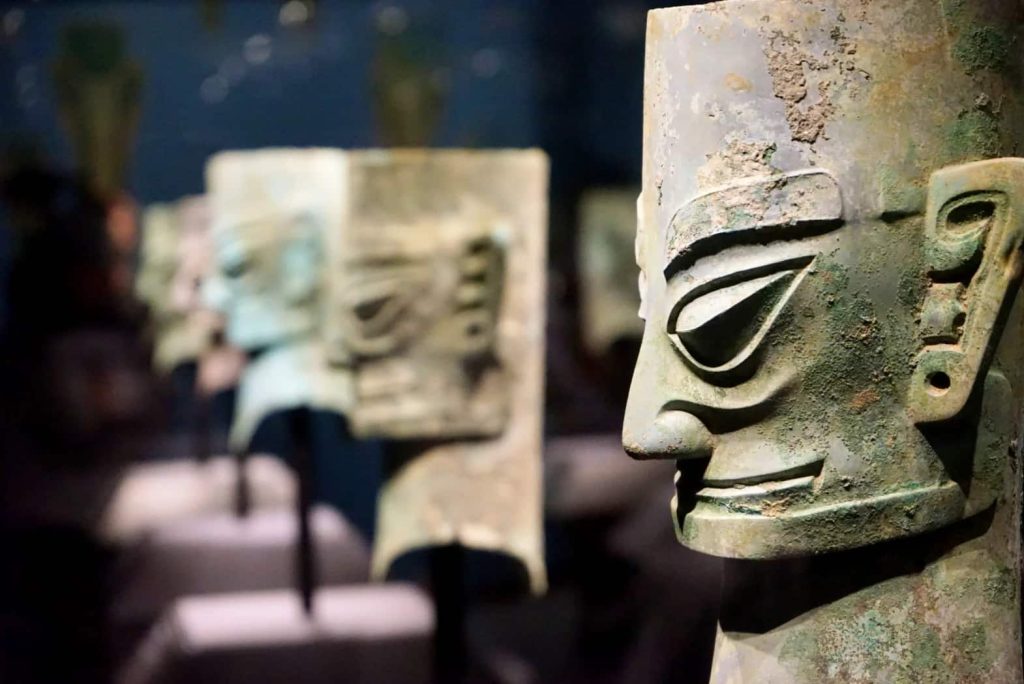
Sanxingdui has become internationally known for its extraordinary bronze masks, ritual objects, and highly distinctive artistic language. These discoveries challenged older assumptions about the uniformity of Bronze Age China and showed the complexity of early regional cultures within the broader Chinese world. Jinsha, closer to Chengdu, provides important continuity and helps extend the story of ancient Shu civilization.
At the same time, Chengdu is not only about archaeology. It is also one of the best places to experience a more lived, everyday cultural rhythm. Tea houses, Sichuan cuisine, local markets, and a slower urban pace give the city a cultural richness very different from Beijing or Xi’an. It combines ancient depth with a strong sense of regional identity that is still visible in daily life.
On a private tour, Chengdu can be experienced on both levels — as a gateway to the ancient Shu world and as one of China’s most distinctive cultural cities today. A thoughtful day might begin with the archaeological imagination of Sanxingdui and end in a traditional teahouse, where conversation, local snacks, and the city’s famously unhurried rhythm reveal a very different, but equally important, side of Chinese culture.

For travelers who want to understand China as a civilization shaped by multiple cultural centers rather than a single linear narrative, Chengdu is one of the most rewarding destinations in the country.
Suzhou: Classical Gardens and the Refined World of Chinese Literati Culture
Suzhou is one of the best places in China to understand the refined aesthetic world of the scholar-gentry tradition. Its classical gardens are not simply beautiful spaces. They are carefully composed environments shaped by ideas about balance, restraint, poetry, painting, cultivated retreat, and the art of suggestion. In them, architecture, water, rock, plants, inscriptions, and movement through space all work together to express a highly developed cultural vision.
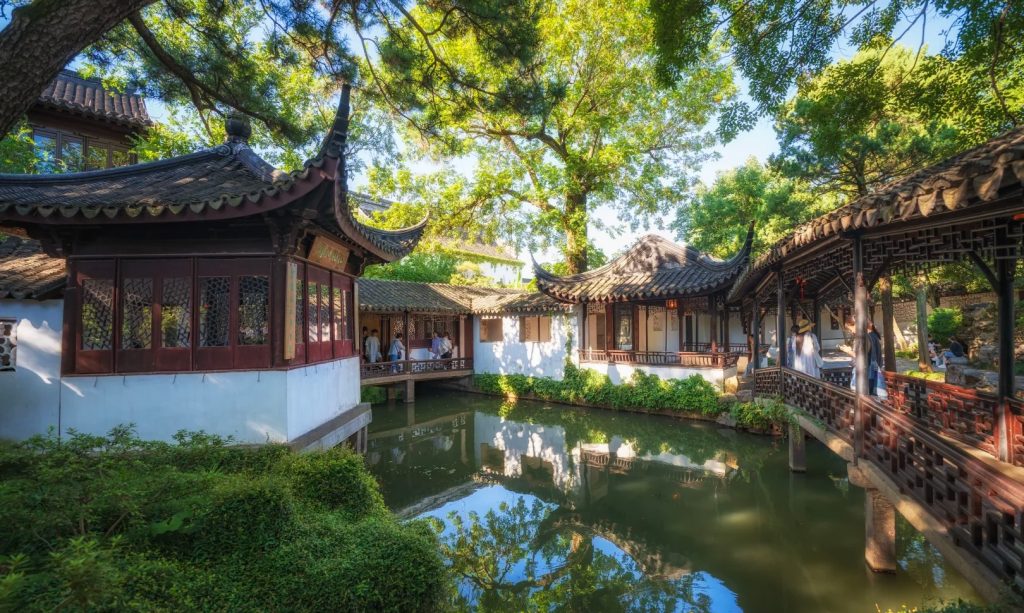
This is one reason Suzhou occupies such an important place in Chinese cultural history. It represents a side of China that is quieter than the imperial capitals but no less profound. Instead of court ritual or dynastic power, it speaks through mood, proportion, elegance, and the creation of meaning within enclosed space.
That deeper value is often lost on hurried sightseeing trips. The gardens are easy to admire and easy to photograph, but much harder to read. On a private journey, Suzhou becomes more meaningful because travelers can slow down, compare different gardens, and appreciate how they embody literati ideals rather than treating them as decorative stops on an itinerary.
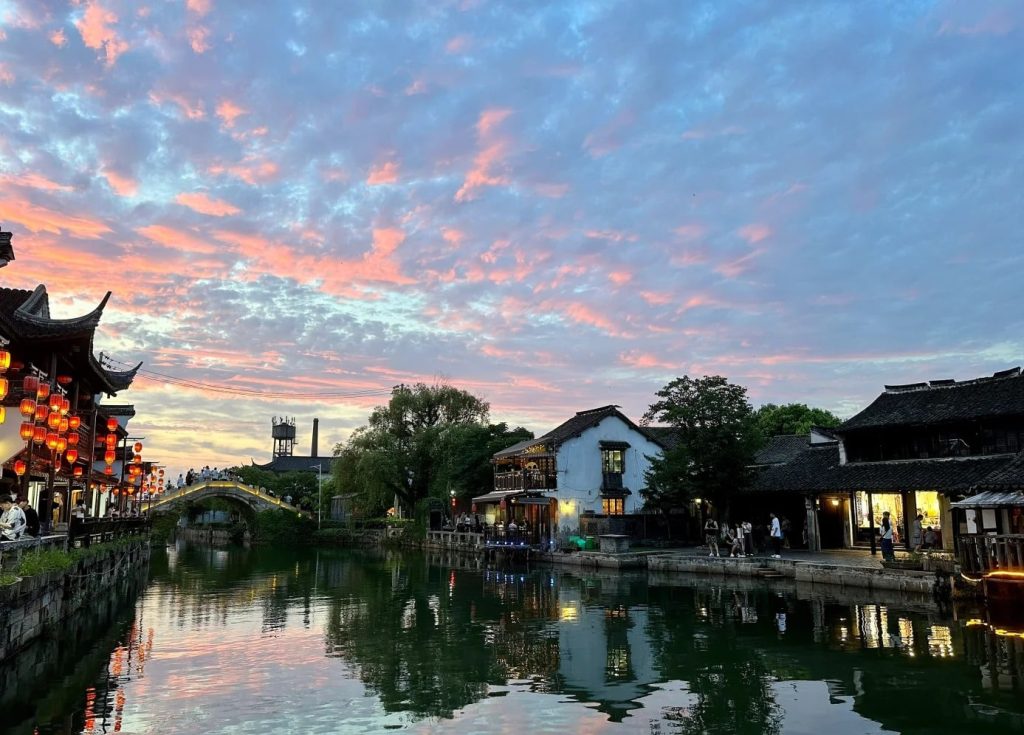
The city also opens the door to other dimensions of Jiangnan culture, including Kunqu opera, traditional craftsmanship, canal-side urban life, and the more restrained rhythms of southern cultural history. In the right context, Suzhou feels less like a place to tick off and more like a place to absorb.
For travelers interested in classical Chinese aesthetics, spatial design, and the inner world of literati culture, Suzhou is indispensable.
Hangzhou: Landscape, Tea Culture, and the Elegance of Southern Song China
If Suzhou reveals the inward, composed world of literati gardens, Hangzhou opens a broader cultural landscape shaped by nature, poetry, tea, and refined urban life. As the capital of the Southern Song dynasty, Hangzhou became one of the great cultural centers of premodern China, and that legacy still shapes the city today.

West Lake is central to this identity. It is not simply a scenic site, but one of the most important cultural landscapes in China. Its significance lies in the relationship between water, hills, causeways, temples, seasonal views, literary associations, and centuries of artistic interpretation. It reflects a distinctly Chinese way of seeing nature — one in which landscape is not separate from culture, but one of its highest expressions.
Hangzhou is also one of the best places to experience tea culture in context. Longjing tea is more than a famous product. It belongs to a larger world of cultivation, seasonality, taste, and cultivated simplicity. Combined with Buddhist temples, historical sites, and traces of Southern Song life, it gives the city unusual cultural coherence.
A private journey allows Hangzhou to unfold more gracefully. Rather than treating West Lake as a quick panoramic stop, travelers can experience it as a layered cultural landscape, with time to notice shifting views, quieter corners, temple settings, and the relationship between natural scenery and the city’s long literary memory. The same is true of its tea culture, which becomes far richer when encountered as part of place, landscape, and local life rather than as a generic tasting experience.
For travelers drawn to Chinese landscape aesthetics, tea, and the ideal of elegant living, Hangzhou is one of the most rewarding destinations in China.
Dunhuang: Silk Road Exchange and the Artistic World of Buddhist China
Dunhuang stands at the intersection of Chinese, Central Asian, and Buddhist cultural history, making it one of the most compelling stops on a Silk Road tour in China. Few places reveal the international dimensions of Chinese civilization as clearly as this oasis city. The Mogao Caves, with their vast body of murals and sculpture, preserve more than a thousand years of artistic, religious, and cultural exchange.

What makes Dunhuang so important is not only the beauty of the caves, but the civilizational story they contain. The art reflects trade, translation, movement, patronage, devotion, and the circulation of ideas across Eurasia. It shows that Chinese culture did not develop in isolation. It was shaped in dialogue with other worlds, and Dunhuang is one of the clearest surviving records of that process.
A private cultural journey is especially valuable here because Dunhuang rewards preparation, focus, and interpretation. Travelers who arrive with a stronger sense of Buddhist imagery, Silk Road history, and the evolution of cave art will see much more than a sequence of painted chambers. The site becomes richer when approached as a cultural system rather than a single attraction.
Dunhuang also makes sense as part of a wider Silk Road perspective. Desert landscapes, frontier routes, and related historical sites help place the caves within the larger world that made them possible. For travelers interested in religious art, intercultural exchange, and the outward-looking side of Chinese history, Dunhuang is essential.
Why These Destinations Work So Well on a Private China Tour
What links these places is not just their fame, but the different dimensions of Chinese culture they represent. Beijing reveals imperial order and political symbolism. Xi’an and Luoyang trace the rise of dynastic civilization. Chengdu opens a window onto the plural origins of Chinese culture and the strength of regional identity. Suzhou and Hangzhou express the aesthetic and philosophical world of literati China. Dunhuang shows how Chinese civilization was shaped through exchange as well as continuity.
A private China tour is especially well suited to this kind of journey because cultural travel depends on pace, context, and selection. It is rarely about seeing the maximum number of landmarks. It is about building a route around ideas, interests, and meaningful contrasts between places.
Some travelers may want to focus on imperial capitals and archaeology. Others may be drawn more strongly to gardens, tea culture, Buddhism, or the Silk Road. Some want a journey that feels academically rich. Others want culture to be experienced through atmosphere, food, neighborhood life, and local encounters. A private itinerary makes those priorities easier to shape into a coherent trip.
That is also where the real luxury often lies. It is not only in comfort or exclusivity, but in having the freedom to travel with intention — to go deeper where it matters, slow down when a place deserves it, and build a route that reflects genuine curiosity rather than a standard sightseeing checklist.
How to Choose the Right Cultural Route in China
The best route depends on what kind of culture you want to understand most deeply.
If your main interest is imperial history and state civilization, Beijing, Xi’an, and Luoyang offer the strongest foundation.
If you want to explore classical Chinese aesthetics and literati traditions, Suzhou and Hangzhou are essential.
If you are interested in archaeology, regional civilizations, and the diversity of early China, Chengdu, Sanxingdui, and Jinsha are especially valuable.
If your focus is Buddhism, Silk Road exchange, and frontier history, Dunhuang should be one of your priorities.
For many travelers, the most rewarding journey combines two or three of these cultural worlds rather than trying to cover everything at once. A well-designed private tour should feel focused rather than rushed, with enough time in each place for its cultural logic to become legible.
Conclusion
The best places to experience Chinese culture are not simply the most famous ones. They are the places that reveal different layers of the country’s civilizational story — imperial, archaeological, artistic, religious, regional, and lived.
A private China tour makes it possible to explore those places with greater flexibility and depth, turning the journey from simple sightseeing into a more meaningful cultural experience. Whether you are drawn to ancient capitals, classical gardens, Buddhist cave temples, or the cultural worlds of western China, the right itinerary can bring these different strands of Chinese civilization into a clearer and more memorable whole.
For travelers who want more than a surface introduction to China, that is where the real value of a cultural journey begins.
You can also explore more of our China tours for ideas across different destinations and travel styles.


