
Home
China Tours
Travel Guide
Plan Your Trip
About Us
Home
China Tours
Shanghai
Shanghai is one of China’s most rewarding cities for travelers interested in culture, food, neighborhoods, and urban contrasts. This guide covers the city’s top attractions, most worthwhile areas, and essential experiences, while also showing how Shanghai can be combined with Suzhou, Hangzhou, or other destinations as part of a wider journey in China.
Shanghai Is Best Felt in Layers

TOCNTRAVEL
Most travelers spend 2–4 days in Shanghai—add a day for museums, neighborhoods, or a Suzhou/Hangzhou day trip.


Shanghai sits near the mouth of the Yangtze River on China’s east coast and grew into a modern city through shipping, trade, and finance. Today, it remains a national center for business and global connections, which is why it feels more international than most Chinese cities. The Huangpu River divides the experience into two clear identities: on the west bank (Puxi), the Bund showcases a famous stretch of early-20th-century waterfront buildings and a walkable riverside atmosphere; on the east bank (Pudong), Lujiazui forms the city’s modern financial district with high-rise observation points and dramatic night views. To understand Shanghai beyond the postcard, focus on its neighborhoods — especially areas around the former French Concession, where residential streets, boutique shops, cafés, and small restaurants reveal the city’s everyday rhythm. This mix of skyline, riverfront history, and neighborhood lifestyle is what makes Shanghai a core stop on many China itineraries.
Shanghai is one of China’s most global cities — and one of the clearest places to understand modern China. The Huangpu River sets the stage for the city’s defining contrast: the Bund’s historic waterfront on one side, and Lujiazui’s skyline on the other. It’s a rare city where you can see a century of urban history and today’s ambition facing each other in a single view.
But Shanghai isn’t just a city for landmarks. Its character is best felt in its neighborhoods — from classical gardens and old-town lanes to tree-lined streets, heritage villas, and design-forward cafés and galleries. Here, history and everyday life don’t sit in separate zones; they blend into the way the city moves.
Food and night views are part of the experience, too. From refined dining to bold local flavors, from riverfront evenings to small street-side bites, Shanghai rewards travelers who like to explore with taste and pace. It’s not one “scene” — it’s a city you enter layer by layer.
Shanghai’s highlights are organized around the Huangpu River — the historic Bund on the west bank and the modern Lujiazui skyline on the east. Beyond the iconic views, the city is best experienced through its neighborhoods, from classical gardens and old-town lanes to tree-lined streets in the former French Concession, plus food and night scenes that define Shanghai’s modern lifestyle.

Walk Shanghai’s most iconic waterfront after dark — historic buildings glow along the river, the promenade is lively, and the views across to Pudong are unforgettable.

See Shanghai at its most cinematic — glide along the Huangpu River as the Pudong skyline and the Oriental Pearl Tower light up, with neon reflections dancing on the water.
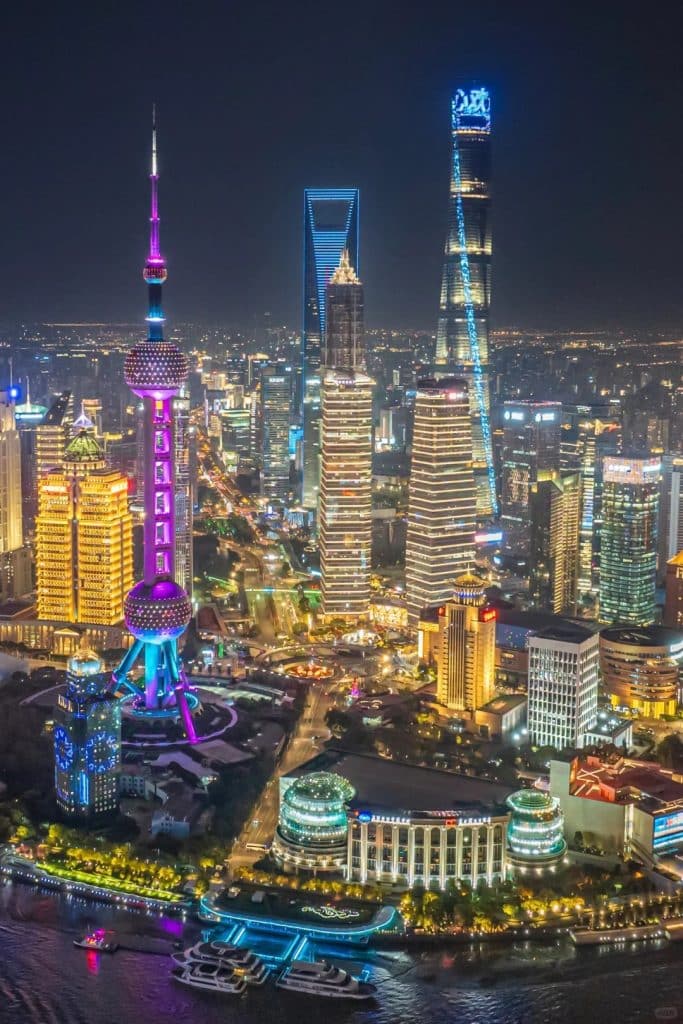
Get the best look at Shanghai’s futuristic side — the Oriental Pearl Tower and the city’s tallest skyscrapers create one of Asia’s most impressive night skylines.

Escape the city for a few hours — stroll old canals, cross stone bridges, and take a relaxed boat ride through one of Shanghai’s most charming water towns.

Walk Shanghai’s most stylish historic neighborhoods — leafy streets, boutique cafés, and classic lane houses, with Wukang Mansion as the signature photo stop.
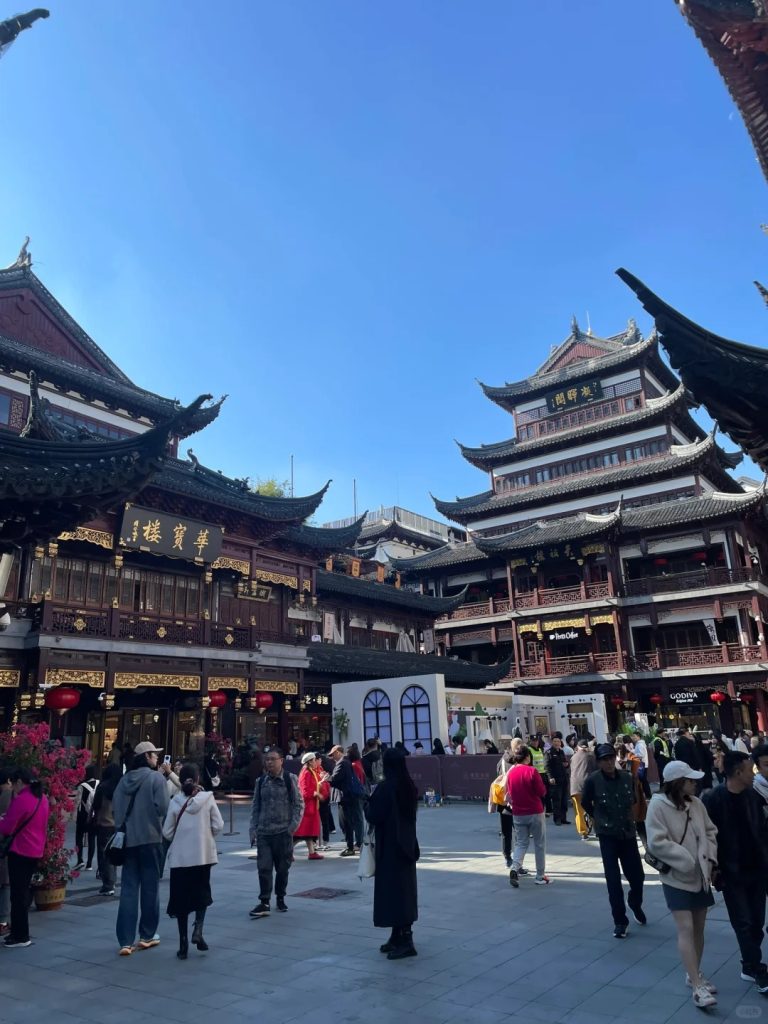
Shanghai’s classic old-town scene — traditional rooftops, bustling lanes, and the best place to try local snacks and browse small shops in the Old City.
Shanghai works in every season, but the vibe changes a lot — from crisp riverside walks along The Bund to humid summer nights in the former French Concession. Use this season-by-season guide to pick the best time based on weather, crowds, and the experiences you care about most.
Spring is one of the easiest times to explore Shanghai on foot. It’s comfortable for strolling The Bund, wandering tree-lined streets in the former French Concession, and combining classic sights with cafés, markets, and museums.
Best for: First visits, walking tours, photography
Expect: Mild days, occasional rain
Tip: Pack a light jacket — evenings can feel cooler by the river.
Summer days can be steamy, but Shanghai comes alive after dark. Plan indoor attractions (museums, galleries, shopping streets) earlier, then enjoy rooftop views, riverside lights, and night cruises when the city cools down.
Best for: Night scenes, skyline views, food and nightlife
Expect: High humidity and sudden showers
Tip: Start early, take a mid-day break, and keep evenings for The Bund and Lujiazui.
Autumn is widely considered the best time to visit Shanghai. The air is clearer, the temperature is comfortable, and it’s ideal for a balanced itinerary — city highlights, neighborhoods, and an easy day trip to a nearby water town.
Best for: Comfortable sightseeing, day trips, couples and families
Expect: Pleasant weather and good visibility
Tip: Book popular experiences ahead on weekends (cruises, observation decks).
Winter is quieter and often underrated. It’s a great season for travelers who prefer fewer crowds and a slower rhythm — museums, art districts, heritage streets, and warm local food. The city also feels especially atmospheric at night.
Best for: Crowd-free travel, culture, food-focused itineraries
Expect: Cold winds near the river, shorter daylight
Tip: Dress in layers — it can feel much colder on The Bund after sunset.
Built around your pace, interests, comfort and the time each place truly deserves.
Shanghai links naturally with nearby cities and major destinations across China by rail and air.
Neighborhoods, food, local life and contemporary culture add depth beyond the skyline.
From arrival to departure, our team stays available to help with the details as plans unfold.
Shanghai represents the modern face of China and plays a key role in many multi-city itineraries. As the country’s largest city and a global financial hub, Shanghai offers insight into contemporary Chinese life, blending historic neighborhoods with modern skylines, international culture, and fast-paced urban energy.
Most travelers include Shanghai at the beginning or end of their China journey. It is commonly visited after historical cities such as Beijing or Xi’an, providing a clear contrast between China’s imperial past and its modern development. Thanks to its coastal location and excellent transportation connections, Shanghai also serves as a major gateway city, making it an efficient hub for both domestic travel and international arrivals or departures.
Small details will make your trip smoother in this fast-paced city.
Dining Customs: Most local restaurants (e.g., xiaolongbao spots) serve food family-style; ask for “small portions” if traveling solo. Many street food stalls only accept mobile payments (Alipay/WeChat).
Photography Rules: Avoid taking photos of military facilities (e.g., certain riverfront buildings) or local residents without permission.
Weather Prep: Shanghai is humid in summer (30–35°C, June–August) and chilly in winter (5–10°C, December–February); pack light, breathable clothes or layers accordingly.
Shanghai’s culinary scene has hidden gems—skip overpriced “tourist menus” with these hacks:
Skip Yu Garden Bazaar “Famous Snacks”: Most stalls there mark up prices 2–3x (e.g., ¥30 for 4 xiaolongbao vs. ¥15 at local spots). Instead, walk 5 mins to Chenghuangmiao Subway Station Exit 1 for family-run shops like Old Shanghai Xiaolongbao (authentic, affordable).
Navigate “Hidden” Local Eateries: Look for restaurants with plastic stools + handwritten menus (no English signs) in residential lanes (e.g., near Wukang Road). These serve classic dishes like hongshao rou (braised pork) at ½ the price of “trendy” cafes.
Timing Matters for Breakfast: Shanghai’s iconic youtiao (fried dough sticks) + soy milk are best before 9:00 AM at neighborhood zaocan dian (breakfast shops). Most close by 10:00 AM—don’t sleep in if you want this classic bite.
Shanghai’s top spots get packed—plan these timing tweaks:
The Bund: Visit at 7:00 AM (weekdays) for empty promenades + soft morning light (sunrise over Pudong). Sunset/night (5:00–9:00 PM) draws 10k+ people, making photos impossible without crowds.
Former French Concession: Wukang Road + Anfu Road are quietest on weekday mornings (9:00–11:00 AM). By 2:00 PM, cafes + boutiques fill up with locals and influencers.
Shanghai Museum: Book the 9:00 AM timed entry slot (the first of the day). The museum gets 5k+ visitors daily, and galleries (like the Bronze Hall) are ⅓ less crowded before 11:00 AM.
Small logistics that save headaches:
Cash Is Still Needed: Street food stalls, small convenience stores, and some metro ticket machines only accept cash (especially in older neighborhoods). Carry ¥200–300 in small bills (ATMs at subway stations accept foreign cards).
Wi-Fi & Navigation: Download the “Meituan” app (for food delivery/navigating local spots) and “WeChat” (for payments) before arriving—many places don’t offer free public Wi-Fi. Use Google Maps alternatives: Amap (supports English) for accurate transit directions.
Emergency Contacts: Save the Shanghai Tourism Hotline (400-920-1010) (English service available) for lost items, reservation issues, or local advice. Most hotels also have multilingual staff to assist with emergencies.
Shanghai is a perfect hub for eastern China. In 30–90 minutes by high-speed train, you can switch from skylines to classical gardens, lake scenery, and historic capitals—without changing your hotel every night.
Best if you want a softer, traditional Jiangnan vibe after Shanghai—UNESCO-listed gardens, quiet canals, and elegant old streets.
Travel time from Shanghai: ~25–40 min by high-speed train (to Suzhou / Suzhou North)
Recommended stay: 1–2 days
Best if you want nature + culture at an easy pace: West Lake walks, temples, and Longjing tea hills—great for photos and a “slow day” that still feels iconic.
Travel time from Shanghai: ~45–60 min by high-speed train (to Hangzhou / Hangzhou East)
Recommended stay: 1–2 days
Best if you like history with real depth: impressive Ming-era city walls, strong museums, and a city that shows a different side of China beyond the postcard views.
Travel time from Shanghai: ~60–90 min by high-speed train (to Nanjing / Nanjing South)
Recommended stay: 1–2 days
Best for first-timers who want China’s most “classic” sights in one city—Forbidden City, Temple of Heaven, hutong neighborhoods, plus a Great Wall day trip.
Travel time from Shanghai: ~4.5–6.5 hrs by high-speed train / ~2–2.5 hrs by flight
Recommended stay: 3–5 days
Best for history lovers—Terracotta Warriors, the ancient City Wall, and a food scene built around the Muslim Quarter-style markets and local noodles.
Travel time from Shanghai: ~5.5–7.5 hrs by high-speed train / ~2–2.5 hrs by flight
Recommended stay: 2–4 days
How Shanghai Fits Into a Custom China Itinerary
Most first-time visitors plan 3–5 days: 3 days covers the highlights (The Bund, Pudong/Lujiazui skyline, Yu Garden, Former French Concession), while 4–5 days adds museums, neighborhoods, and an easy day trip. Spring and autumn are usually the most comfortable seasons for walking-heavy itineraries.
Puxi is best for classic city-walking (The Bund access, Former French Concession, food streets, nightlife). Pudong is best if you want modern hotels and quick access to Lujiazui skyscrapers—great views, but less “street life” compared with Puxi.
The Bund is the historic waterfront promenade on the Puxi side of the Huangpu River, facing the Pudong skyline. For most travelers, the best experience is late afternoon into night—you get daylight architecture + the illuminated skyline after dark.
A solid Shanghai travel guide core usually includes: The Bund, Lujiazui/Pudong skyline viewpoints, Yu Garden (Yuyuan), and a Former French Concession walk (Wukang Rd / Anfu Rd style streets). Add one museum or a neighborhood food walk if you want more depth.
Take a public ferry between Puxi and Pudong—pedestrian tickets are 2 yuan, and it’s one of the best-value skyline experiences in Shanghai.
It depends on your passport and route. Shanghai publishes official guidance for the 240-hour visa-free transit (eligibility + onward ticket requirements + allowed stay scope), so travelers should check their exact eligibility before booking.
Yes. International cards are accepted at many hotels, shopping centers, and larger businesses, but check for the card-network logo or ask before paying. Eligible overseas cards can also be linked to Alipay or WeChat Pay for QR-code payments. On the Shanghai Metro, eligible contactless cards can be tapped at the gates, while tickets can be bought with international cards at station service centers or rides paid through supported transport apps. Keep some RMB cash as a backup.
Shanghai is best for travelers who enjoy modern city life, historic neighborhoods, great food, and a more cosmopolitan atmosphere. It works especially well for stylish short breaks, art and design trips, food-focused travel, and travelers who want a deeper look at contemporary urban China.
The most common and easiest add-ons are Suzhou (classical gardens + canals), Hangzhou (West Lake + tea culture), and Zhujiajiao (water town). These fit naturally if you have 4–5 days total in Shanghai.
The Shanghai Maglev is the quickest airport link to Longyang Road, and the airport’s official page lists operating hours and fares (e.g., regular 50 RMB one-way / 80 RMB round-trip).

Claire
Senior Travel Advisor
Hi, I’m Claire. Planning a private trip to China? Share your travel dates and ideas, and I’ll help you get started.